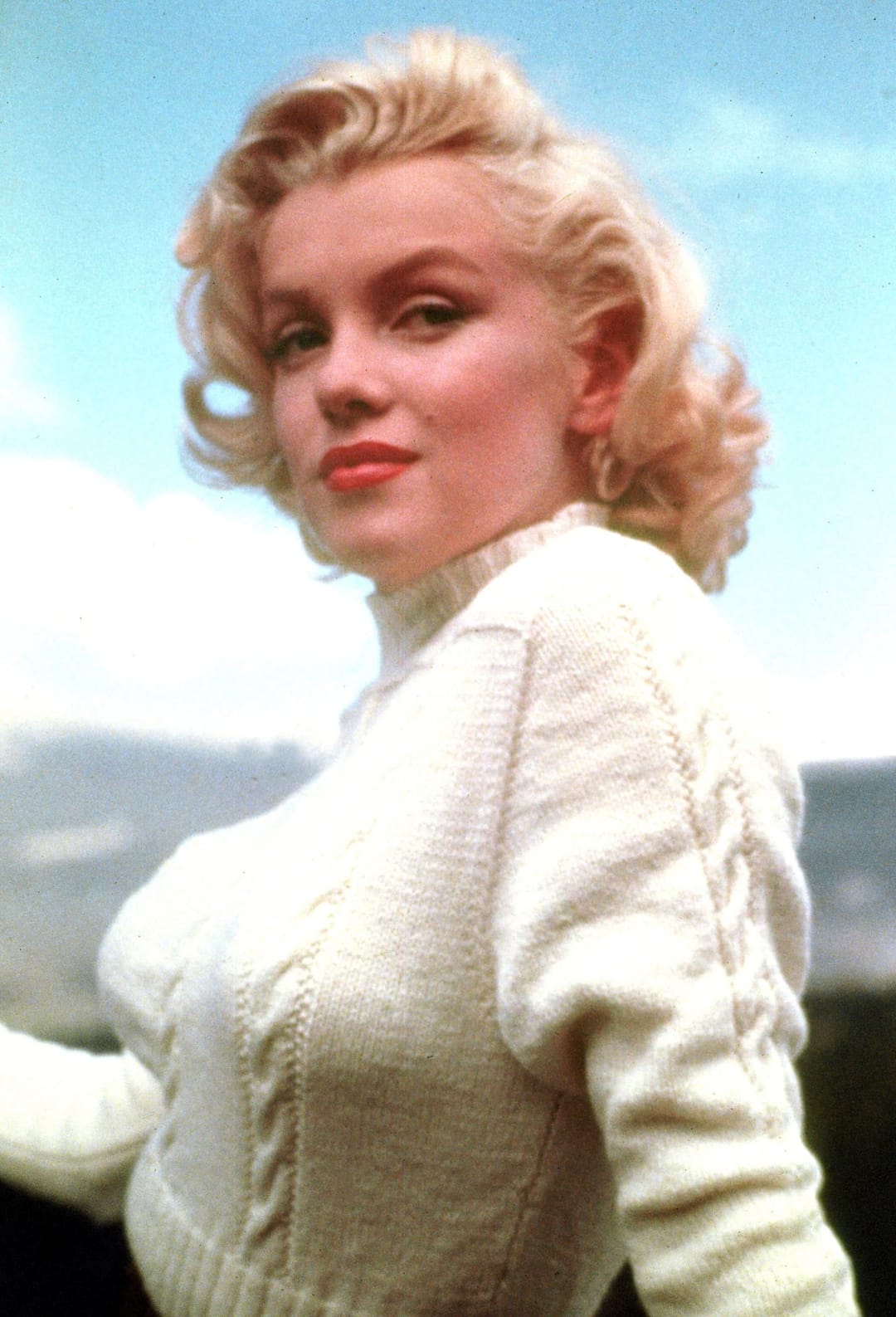
 Photo: Bert Parry, Public Domain, via Wikimedia Commons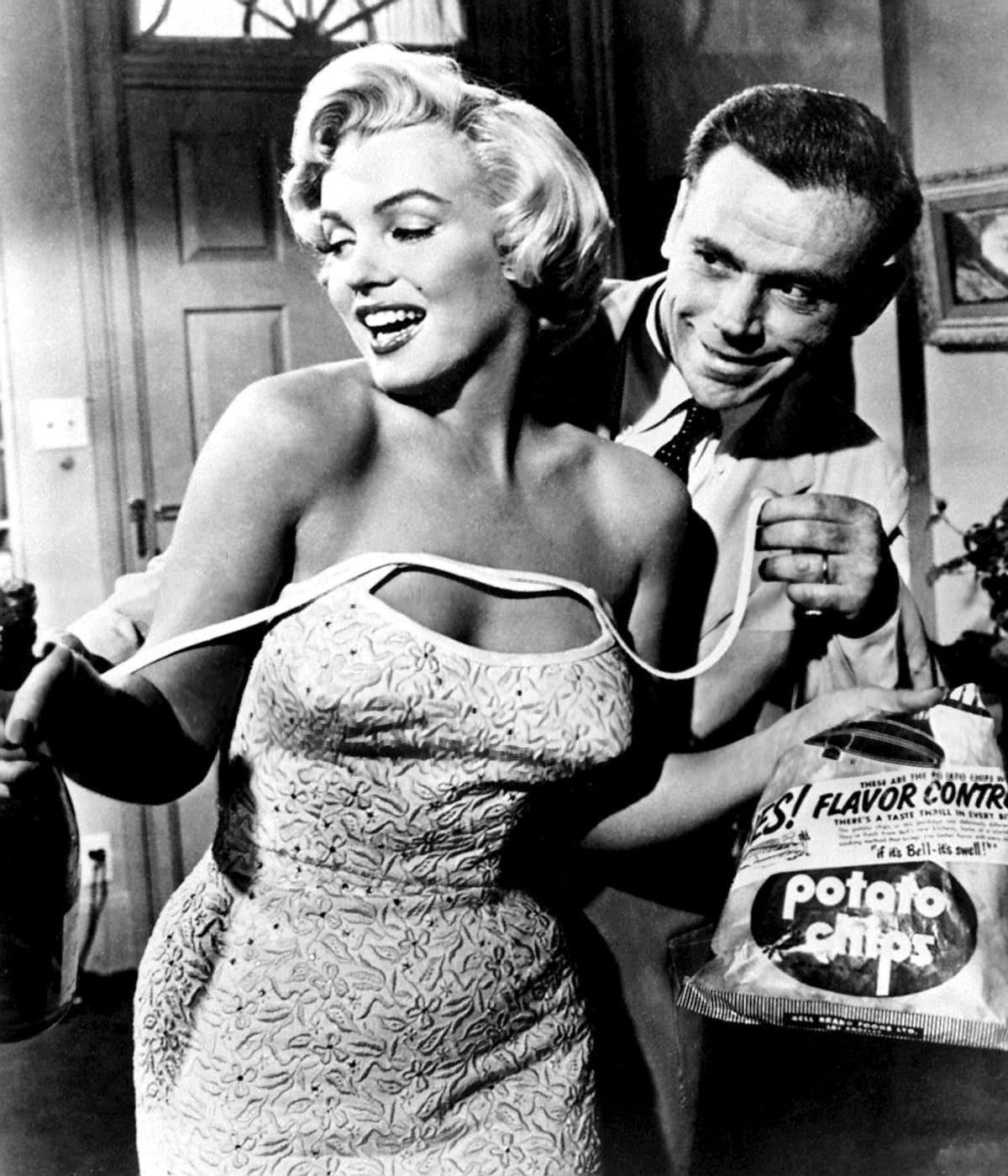
MARILYN MONROE
"The Ultimate Movie Star"
The Most Famous Woman in the World
Marilyn Monroe is, quite simply, the most famous movie star the world has ever produced. More has been written about her than almost any woman of the twentieth century, and her image — the platinum waves, the billowing white dress, the knowing over-the-shoulder smile — is recognised instantly in every country on earth. She is the definition of the word glamour, the face that launched a thousand imitations, and more than sixty years after her final film she remains the yardstick against which movie-star magic is still measured.
Yet for all that dazzling fame, Marilyn was never the great globe-trotter that some of her contemporaries were. Where Elizabeth Taylor scandalised half of Europe and Frank Sinatra crossed continents at will, Marilyn's world was, gloriously, an American one, stitched together from Hollywood studio lots, grand hotels, honeymoon getaways and hideaways from Los Angeles to New York, with only a handful of adventures further afield: one unforgettable English summer, a whirlwind Japanese honeymoon, a fortnight in Jamaica and a beloved final escape to Mexico. There is something rather fitting in that — the most iconic of all American icons most at home on American soil — and it happily makes hers one of the most followable trails in all of Old Hollywood. Almost everywhere she went is still standing, and much of it still trades proudly on her passing through.
What follows is her story, told through the hotels she checked into, the delis and steakhouses that still keep her booth, the film sets she lit up and the quiet corners where Norma Jeane could slip away. From the Roosevelt poolside where the whole thing began to a baronial castle in the Canadian Rockies, from a subway grate in Manhattan to a heart-shaped cabin above Lake Tahoe, this is the ultimate guide to travelling in the footsteps of the ultimate movie star.
""Ever notice how 'what the hell' is always the right decision?" — Marilyn Monroe
The Trail
Where to walk in her footsteps
United States
Marilyn's America was a coast-to-coast circuit of studio lots and grand hotels, from the Hollywood bungalows where Norma Jeane became a blonde to the white Manhattan suites where she reinvented herself as a serious actress. We have grouped her American haunts by city and state, with the places to sleep first, then where to eat and drink, then what to see and do.
Los Angeles
The Hollywood Roosevelt Hotel
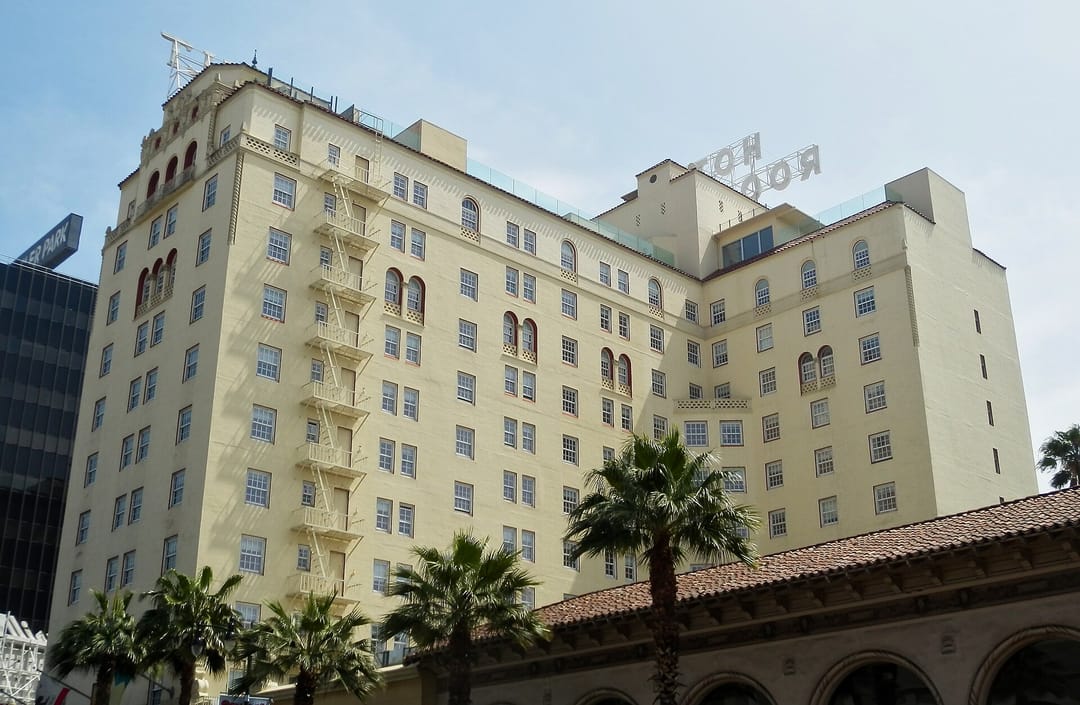
This is where it all started. A young, unknown Marilyn lived in one of the poolside cabanas for the better part of two years while the modelling jobs trickled in, and it was down by the water here that she posed for her very first professional shoot. That pool now wears a David Hockney design on its floor, the vintage rooms have been polished back to their 1920s glamour, and the top-floor suite that bears her name looks straight down onto the spot where the legend began. Staff will happily tell you about the antique mirror said to hold her reflection.
Hollywood Boulevard. Rooms from around $190 per night.
The Beverly Hills Hotel
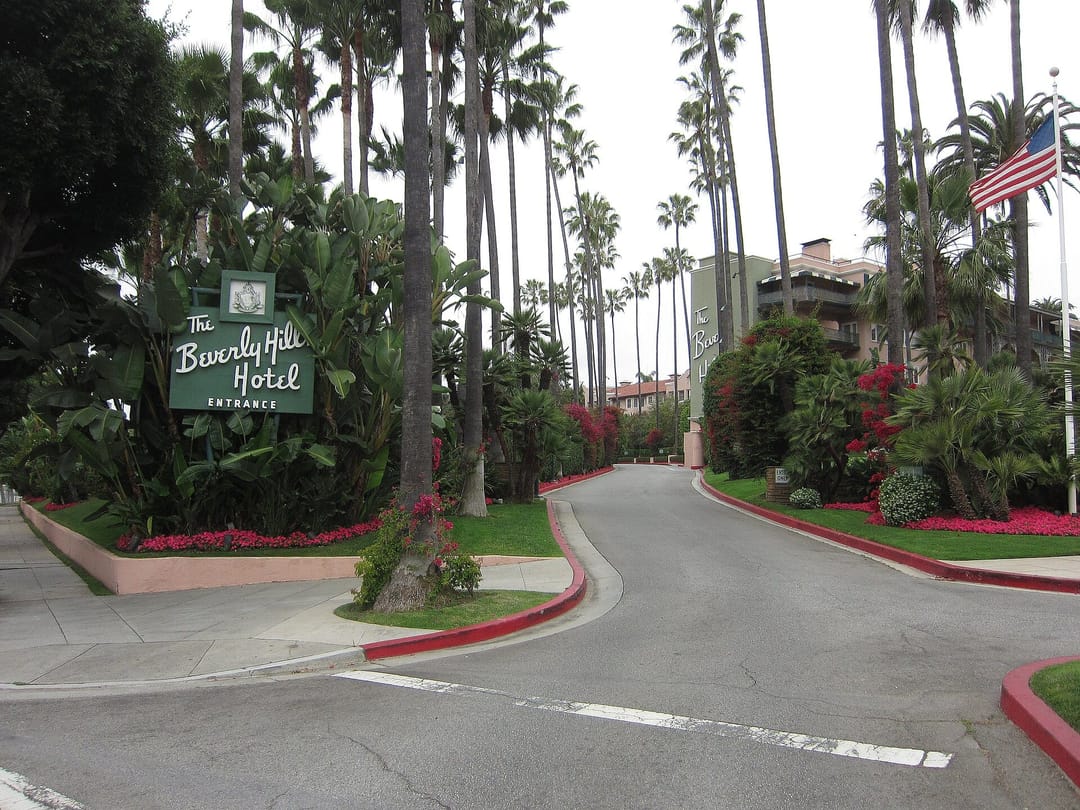
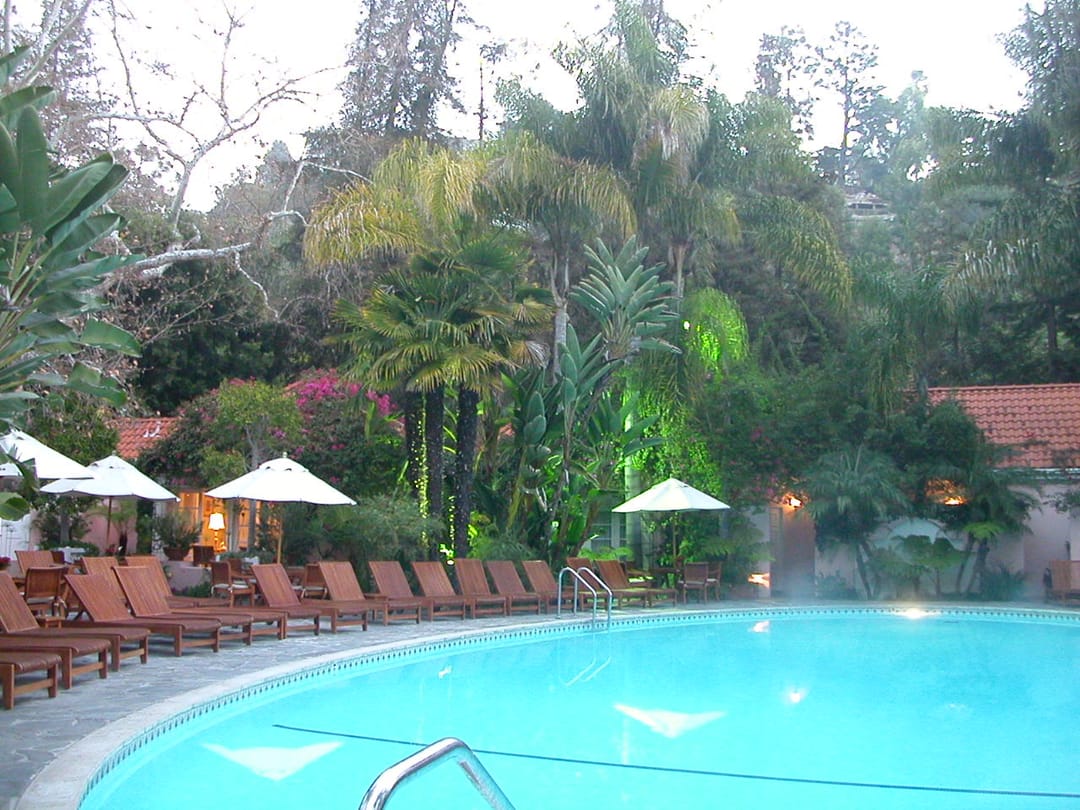
The Pink Palace was Marilyn's kind of hotel: all-enveloping, discreet, and built around private bungalows where a famous face could vanish for days. She spent long stretches of 1960 here shooting Let's Make Love, drifting between her garden bungalow and a favourite corner of the Polo Lounge, where a hot-fudge sundae was as likely to appear on her table as a cocktail. The hotel keeps her memory close with a bungalow styled in her honour, gold-leafed and glamorous to the last.
Beverly Hills. Rooms from around $1,000 per night; bungalows considerably more.
Hotel Bel-Air
Few hotels suited Marilyn's craving for privacy better than this one. During her marriage to Joe DiMaggio she is said to have come and gone so quietly, veiled against recognition, that she barely troubled the front desk. It was also here, in the summer of 1962, that Bert Stern photographed her across three long, champagne-fuelled nights for Vogue, a session the world came to know as The Last Sitting. Tucked among bougainvillea and its own swan-dotted lake, it is still one of the most romantic addresses in the city.
Stone Canyon Road, Bel-Air. Rooms from around $700 per night.
Avalon Hotel Beverly Hills
Once the Beverly Carlton, this cool slice of mid-century design was one of the young Marilyn's actual homes, a place she rented for roughly three years in the early 1950s as her star was rising. Restored around its distinctive hourglass pool, it is that rare thing on this trail: somewhere genuinely affordable where you really can sleep where she slept.
Olympic Boulevard, Beverly Hills. Rooms from around $230 per night.
Musso & Frank Grill
Hollywood's oldest restaurant has been shaking martinis since 1919, and precious little about it has changed. Marilyn and Joe DiMaggio were among the stars who took their drinks in the wood-panelled Back Room, opened in 1934 as a private hideaway for the studio set. Slide into a red leather booth, order the martini straight up, and eat somewhere the old town still feels entirely alive.
Hollywood Boulevard. Mains from around $30; martinis around $18.
The Formosa Cafe
This little red-lacquered landmark stood directly beside the lot where Some Like It Hot was filmed, and Marilyn ducked in often during the shoot. A loving restoration has kept the low lighting, the crimson booths and the wall upon wall of autographed star portraits, hers included. Come for a drink and a plate of dumplings and soak up one of the last genuinely atmospheric rooms in town.
West Hollywood. Small plates and mains from around $18.
Canter's Deli
Arthur Miller is said to have brought his new wife to this round-the-clock Fairfax institution, and it stuck. The kitchen still lists "The Marilyn," a Swiss-cheese-and-grilled-tomato sandwich on rye, exactly the way she liked it, and the neon, the bakery counter and the all-night buzz are unchanged. It is the ideal 2am stop on any Marilyn pilgrimage.
Fairfax Avenue. Sandwiches from around $20.
Barney's Beanery
A rambling old roadhouse that has been dishing out comfort since 1920. Marilyn is said to have slipped in during the Some Like It Hot period for a bowl of its famous chilli, a recipe still ladled out today. Nothing here is polished or precious, which is precisely the point.
West Hollywood. Chilli and mains from around $16.
Rainbow Bar & Grill
Rock fans know it as a Sunset Strip shrine, but this room holds a far older secret. Before it became the Rainbow it was the Villa Nova, the Italian restaurant where, in 1952, a friend engineered a blind date between Marilyn and a retired ballplayer named Joe DiMaggio. They shared spaghetti in a back booth, and that booth is still in the building.
Sunset Strip, West Hollywood. Mains from around $20.
TCL Chinese Theatre (Grauman's)
When Gentlemen Prefer Blondes became a sensation, Marilyn and co-star Jane Russell were summoned to sink their hands, names and heels into the wet cement of the famous forecourt. The slab is still there, waiting for you to press your own palm against hers. Her Walk of Fame star sits a block east at 6774 Hollywood Boulevard.
Hollywood Boulevard. Forecourt free; screenings and tours ticketed.
The Hollywood Museum
Housed in the old Max Factor Building, this is the very place Norma Jeane was transformed into a platinum blonde in the make-up salons on the ground floor. Upstairs, one of the largest Marilyn collections anywhere runs from her personal effects and gowns to her actual car, with pride of place going to the dress she wore to marry Joe DiMaggio and later to entertain the troops in Korea.
Highland Avenue, Hollywood. General admission around $18.
Academy Museum of Motion Pictures
The city's most spectacular film museum keeps, among its costume treasures, the shocking-pink gown from Gentlemen Prefer Blondes, the one she wore to sing "Diamonds Are a Girl's Best Friend." To stand an arm's length from it is to appreciate just how small she was and how enormous the image.
Wilshire Boulevard, Miracle Mile. General admission around $25.
The Hollywood Studio Club
Before there was Marilyn, there was Norma Jeane in Room 334 of this graceful Julia Morgan building, a supervised residence for young women chasing a break in pictures, where she lodged around 1948 and 1949. It was to cover the rent here that she posed for the photographs that became the most famous calendar in history. Now a protected landmark serving a charitable cause, it is a façade to admire from the pavement rather than a hotel, but few stops on the trail carry more of Norma Jeane's story.
Lodi Place, Hollywood. Private; admire from the street.
Paramount Pictures Studio Tour
Most of Marilyn's pictures were shot on the Fox lot in Century City, now closed to the public, so the closest you will get to a working golden-age studio is the tour at neighbouring Paramount. There is a sweet piece of lore here too: as an orphaned child, Norma Jeane is said to have stared up at the water tower of the old RKO studio, today part of the Paramount lot, and dreamed of one day seeing her name in lights.
Melrose Avenue, Hollywood. Tours from around $65.
Santa Monica Beach
In the last summer of her life, the photographer George Barris posed Marilyn among these dunes wrapped in a bulky Mexican cardigan she had picked up on her final trip south of the border. The pictures are among the last ever taken of her, tender and entirely unguarded. Walk the same stretch of sand and it is easy to feel the mood of that afternoon.
Santa Monica, California. Beach free.
12305 Fifth Helena Drive, Brentwood
The little Spanish hacienda Marilyn bought in early 1962 was the first and only home she ever owned outright, and the place she died that August. Saved from demolition and now a protected landmark, it hides at the end of a quiet cul-de-sac behind a wall carved with the motto she chose for it, Cursum Perficio, "I am finishing my journey." It remains a private residence, so this is a respectful pause on the street rather than a visit.
Brentwood, Los Angeles. Private; view from the street.
Pierce Brothers Westwood Village Memorial Park
Marilyn rests in a simple pink marble crypt, number 24, in the Corridor of Memories, and you will find it easily: the stone is faintly stained by decades of fans' lipstick kisses. For twenty years after her death, Joe DiMaggio had fresh red roses delivered here three times a week.
Glendon Avenue, Westwood. Free to visit.
Palm Springs
Ingleside Estate
When Hollywood wanted to disappear into the desert, it came to Ingleside. Marilyn was among the guests, alongside the likes of Elizabeth Taylor, Ava Gardner and Marlon Brando, who slipped behind its walls for a discreet weekend. Small, hushed and beautifully revived, it is still exactly the sort of hideaway a movie star could vanish into.
Palm Springs. Rooms from around $250 per night.
Forever Marilyn
Palm Springs is where Marilyn stands twenty-six feet tall. The colossal Forever Marilyn statue, frozen mid-pose from The Seven Year Itch, is one of the most photographed sights in the desert. It stands not far from the old Racquet Club, poolside of which, legend has it, a teenage Marilyn caught the eye of a talent scout in the late 1940s. The club itself is now shuttered and awaiting its future, but the giant keeps her at the heart of town.
Downtown Palm Springs. Free to visit.
Catalina Island
Catalina Island Inn
This is a chapter from before Marilyn even existed. In the early 1940s, a teenage Norma Jeane arrived in the little harbour town of Avalon with her first husband, Jim Dougherty, who was teaching ocean safety on the island, and the young couple set up home on Metropole Avenue. This friendly inn sits on the very same street, a few doors from her old address, which makes it about as close as anyone can sleep to Norma Jeane's island life.
Metropole Avenue, Avalon. Rooms from around $180 per night.
The Marlin Club
Avalon's oldest bar occupies a striking blue building from 1905, and it was in the rooms upstairs that the newlywed Doughertys first lodged before finding their own place down the street. Pull up a stool in the actual building where Norma Jeane started married life, years before Hollywood had ever heard her name.
Catalina Street, Avalon. Drinks from around $8.
San Diego
Hotel del Coronado
The great white Victorian pile across the bay from San Diego stood in for a Florida resort in Some Like It Hot, and Marilyn lived on site through the 1958 shoot. Its red turrets, wooden verandas and broad Pacific beach look exactly as the cameras found them, and the hotel wears the connection with obvious pride.
Coronado, San Diego. Rooms from around $350 per night.
Sun Valley, Idaho
Sun Valley Lodge
Marilyn based herself at this grand mountain lodge while filming Bus Stop in 1956. The resort now keeps a celebrity suite in her name, hung with photographs from her stay, and the village's charming 1937 Opera House still shows films the old-fashioned way.
Sun Valley, Idaho. Rooms from around $230 per night.
Arizona
Arizona Biltmore
Marilyn loved Arizona as somewhere to be nobody in particular, and she declared the Catalina Pool at this Frank Lloyd Wright-inspired resort her single favourite place on earth to lie in the sun, coming back to it again and again. The Biltmore still radiates its golden-age glamour, block-printed concrete and all.
Phoenix, Arizona. Rooms from around $160 per night.
Hotel San Carlos
A dignified 1928 downtown hotel whose guest register reads like a roll call of the era, from Mae West and Clark Gable to Marilyn herself. Compact, historic and full of period detail, it makes a characterful and affordable base for the Marilyn-in-Arizona story.
Phoenix, Arizona. Rooms from around $130 per night.
Lake Tahoe
Cal-Neva Lodge
Keep an eye on this one. The Cal-Neva sits astride the California-Nevada line on the shore of Crystal Bay, and in the early 1960s it was Frank Sinatra's own playground. Marilyn was among his guests, staying in a lakeside cabin with a heart-shaped bed and the finest view on the property. Long closed, the resort is now the focus of an ambitious multi-million-dollar restoration, and should it reopen it will instantly become one of the most atmospheric Marilyn addresses anywhere. For now, file it under "watch this space."
Crystal Bay, Lake Tahoe. Currently closed; reopening planned.
San Francisco
Fairmont San Francisco
Marilyn belongs to the legend of the Fairmont's extraordinary Penthouse Suite, an entire floor of the hotel complete with a two-storey circular library, a billiard room and, so the tales go, a bookcase that swings open to a secret passage. The suite can genuinely be booked by those with the means, but even a night in a standard room buys you the full Nob Hill grandeur.
Mason Street, Nob Hill. Rooms from around $200 per night; the Penthouse considerably more.
Saints Peter and Paul Church
Marilyn and Joe DiMaggio married at City Hall in January 1954, but they took their most famous wedding pictures on the steps of this twin-spired church in North Beach, in the heart of DiMaggio's old neighbourhood. The church and the leafy Washington Square in front of it are free to wander, a short stroll from Fisherman's Wharf where Joe once kept his boat.
Filbert Street, North Beach. Free to visit.
Chicago
Ambassador Chicago
This Gold Coast landmark was where visiting Hollywood — Marilyn, Elizabeth Taylor and Frank Sinatra among them — laid its head when passing through Chicago. It has a famous rooftop and stands within a short walk of Oak Street Beach and the shops of the Magnificent Mile.
State Parkway, Gold Coast. Rooms from around $150 per night.
The Drake Hotel
A stately 1920s hotel at the top of the Magnificent Mile that Marilyn and Joe DiMaggio visited together. The glamour is still there to be enjoyed over afternoon tea in the Palm Court, one of the grandest rooms in the city.
East Walton Place, Magnificent Mile. Rooms from around $180 per night.
New York
The Lexington Hotel
Marilyn and Joe DiMaggio kept Suite 1806 here during their brief 1950s marriage. The room has since been restored and renamed the Norma Jeane Suite, and, complete with its own sweeping private terrace, it can actually be booked, so you can spend the night in her genuine New York address.
Lexington Avenue at 48th Street, Midtown. Rooms from around $180 per night; the suite considerably more.
Waldorf Astoria New York
When Marilyn came east to remake herself as a serious actress, she took a suite high in the Waldorf and had it done out entirely in white, an homage to her girlhood idol Jean Harlow. From here she launched Marilyn Monroe Productions, a startling bid for independence by an actress of her time. Freshly reopened after a sweeping restoration, the hotel is grand once more.
Park Avenue, Midtown. Rooms from around $900 per night.
The Carlyle
Of all the grand New York hotels, the Carlyle is the most discreet, which is exactly why Marilyn favoured it. She would come and go through the service entrance on East 77th Street to dodge the crowds, and the hotel still offers the same hushed, art-lined seclusion that drew her in.
Upper East Side. Rooms from around $700 per night.
P. J. Clarke's
Marilyn was a familiar face at this cherished old saloon, often turning up with Frank Sinatra to eat, drink and disappear into the crowd beneath the stained glass and dark wood. Remarkably little has changed, and the burgers it built its name on are as good as ever.
Third Avenue at 55th Street. Burgers from around $21.
Serendipity 3
All Tiffany lamps and marble ice-cream tables, this whimsical dessert parlour was one of Marilyn's favourite places to indulge her famous sweet tooth. Order the legendary Frrrozen Hot Chocolate and settle in among the bric-a-brac.
East 60th Street, Upper East Side. Desserts from around $16.
Delmonico's
For a proper old-fashioned New York evening, Marilyn turned to this landmark chophouse, a fixture since the nineteenth century and the birthplace of more than one dish that went on to conquer the country. Clubby, timeless and heavy with history.
Beaver Street, Financial District. Mains from around $50.
The Plaza Hotel
With the Pulitzer Fountain sparkling out front, the Plaza was a favourite backdrop for Marilyn's close friend, the photographer Sam Shaw. Take tea or a cocktail under its gilded ceilings, then strike a pose by the fountain just as she once did.
Fifth Avenue at Central Park South. Rooms from around $800 per night; tea and drinks open to non-residents.
Grand Central Terminal
The vast Main Concourse, with its green ceiling of painted constellations, was the setting for some of Marilyn's most striking photo sessions. Stand beneath the stars where she once posed, in one of the most beautiful public rooms anywhere in America.
42nd Street, Midtown. Free to visit.
The Seven Year Itch Subway Grate
The most famous rush of air in film history was staged at Lexington Avenue and 52nd Street, where a passing train sent Marilyn's white halter dress billowing skyward. Fans still gather at the corner to stand on the spot.
Lexington Avenue at 52nd Street. Free to visit.
The Actors Studio
Part of Marilyn's reason for coming to New York was to be taken seriously, and she threw herself into "the Method" under Lee Strasberg. The Actors Studio, in a converted church in the Theater District, is still the movement's spiritual home and one of the most meaningful stops for anyone drawn to the studious, ambitious woman behind the platinum.
West 44th Street, Hell's Kitchen. Private working studio; admire from the street.
Connecticut
232 Tophet Road, Roxbury
This Revolutionary-era farmhouse was the country retreat Marilyn shared with the playwright Arthur Miller from 1956 to 1961, a rare spell of rural calm in a restless life. She poured herself into doing it up and even bought hundreds of acres around it. It is a private home today, so this is a country drive-by, best paired with the pretty nearby village of Woodbury and the rolling Litchfield County scenery.
Roxbury, Connecticut. Private; view from the road.
Canfield Corner Pharmacy
Over in Woodbury, this delightful old-time pharmacy and soda fountain was where Marilyn came for her New York Times, her hair bleach and her prescriptions. A stool at the counter is still marked in her name, and the shop treasures a local tale about the afternoon she changed the owner's baby daughter right there by the register.
Woodbury, Connecticut. Soda-fountain treats from a few dollars.
Florida
B Ocean Resort
Built in 1956 in the shape of an ocean liner, the old Yankee Clipper was once a playground for stars including Marilyn, and it lives on today as the B Ocean, right on Fort Lauderdale Beach. The nautical portholes survive, and so does the famous Wreck Bar, where costumed "mermaids" still swim past great round windows.
Fort Lauderdale, Florida. Rooms from around $180 per night.
Fontainebleau Miami Beach
Morris Lapidus's great curving white landmark hosted Marilyn during a short Florida stay in the early 1960s. Fully restored, the Fontainebleau still delivers precisely the kind of sweeping, cinematic arrival she would have known.
Miami Beach, Florida. Rooms from around $190 per night.
Joe's Stone Crab
This South Beach institution counted Marilyn and Joe DiMaggio among its guests, and it still honours her on a wall of celebrated names that somehow also takes in Al Capone and Amelia Earhart. Come in season for the stone crab claws it has been cracking since 1913.
Miami Beach, Florida. Market price; mains from around $40.
Columbia Restaurant
Florida's oldest restaurant, deep in the atmospheric Ybor City quarter of Tampa, welcomed Marilyn on her visits and created a dish in her honour, the "Marilyn & Joe," a sizzling skillet of tenderloin, chicken, shrimp, chorizo and potatoes. Founded in 1905 and tiled from floor to ceiling, it is a feast for the eyes as much as the appetite.
Ybor City, Tampa. Mains from around $25.
England
Marilyn came to Britain only once, in 1956, to film The Prince and the Showgirl with Laurence Olivier. The trip doubled as her honeymoon with Arthur Miller, and for a few months the most famous woman in the world lived quietly in the English countryside and dazzled her way through London.
Englefield Green and Pinewood Studios
Marilyn set up home in a private house in the leafy Surrey village of Englefield Green, close to Windsor Great Park, and drove each day to nearby Pinewood Studios for filming. The village and the great royal parkland around it make a tranquil day out from London, exactly the calm she was after.
Englefield Green, Surrey. Parkland free; studios not generally open to the public.
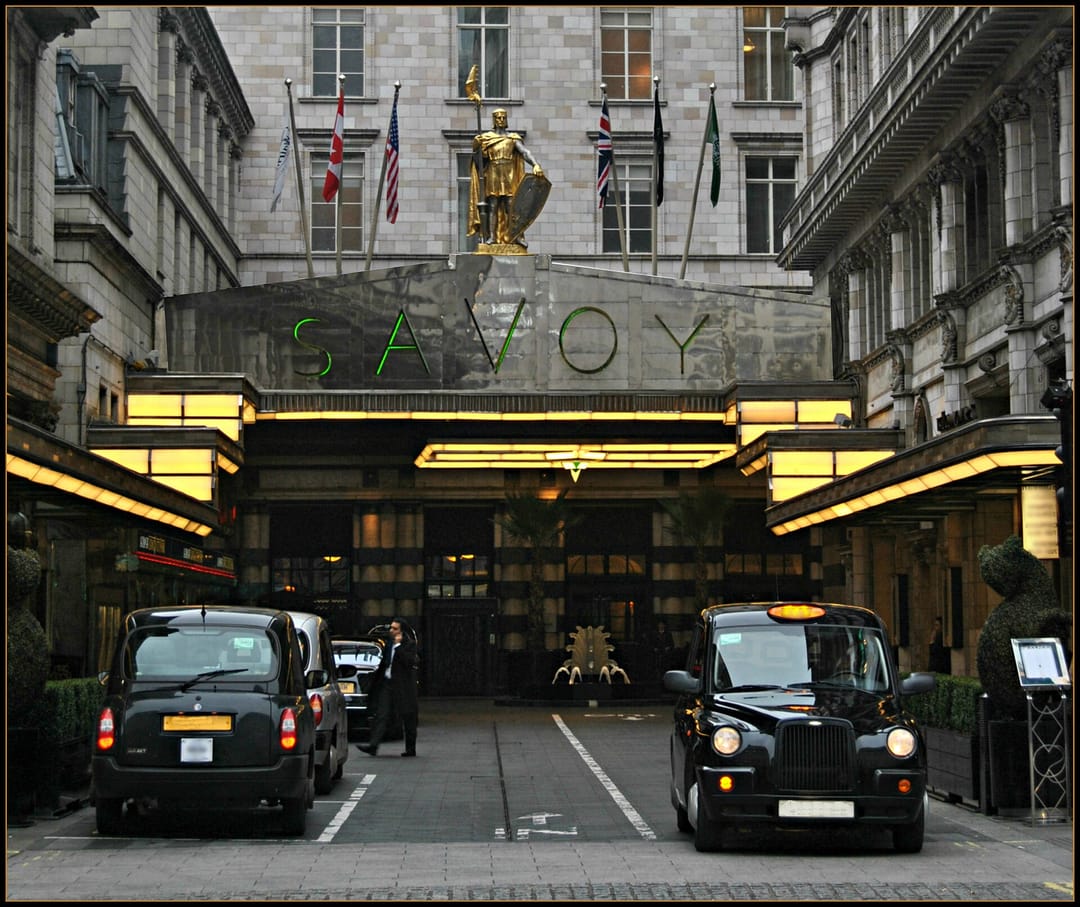
The Savoy
Marilyn gave her London press conferences at the Savoy, the grandest address on the Thames, and its riverside glamour has not dimmed in the decades since. Take tea or a cocktail in the American Bar and soak up the room where she charmed the British press.
Strand, London. Rooms from around £500 per night.
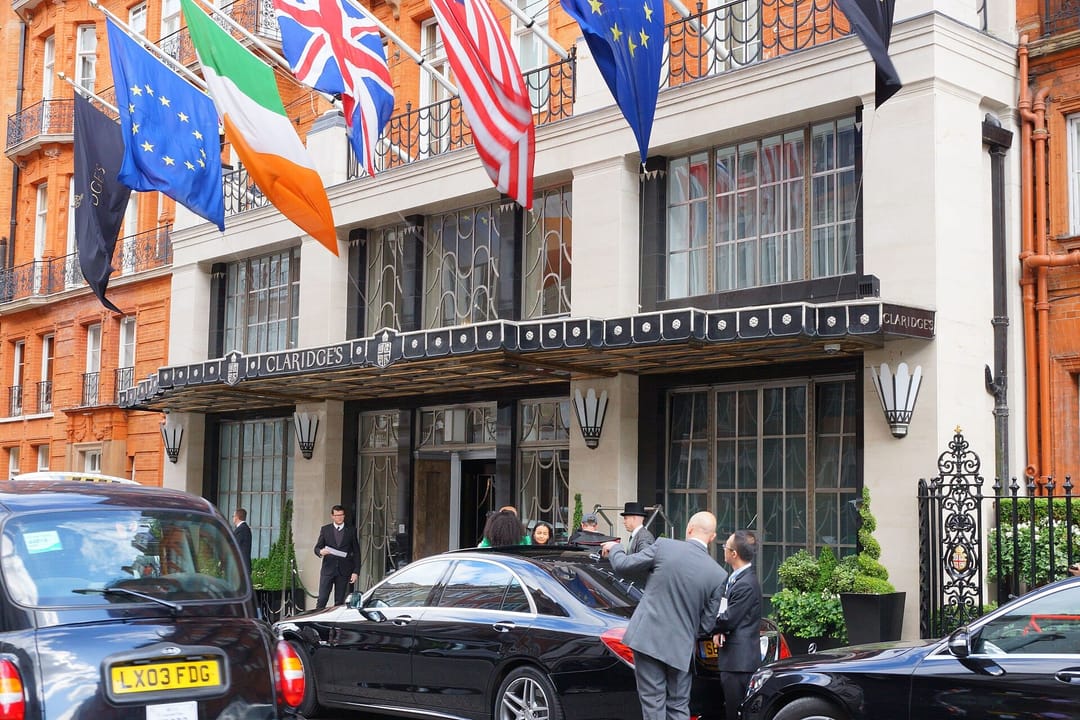
Claridge's
Marilyn lunched at Claridge's during her English summer, and the Mayfair grande dame is still the last word in art-deco elegance. Afternoon tea beneath its glittering foyer makes a fittingly glamorous tribute.
Brook Street, Mayfair. Rooms from around £850 per night; tea open to non-residents.
Leicester Square and the Empire Cinema
It was at a royal film performance in Leicester Square that Marilyn was presented to the young Queen Elizabeth II, one of the great photo opportunities of the age: two of the most famous women on earth, born the same year, meeting for a single moment. The square is still the beating heart of cinema-going London.
Leicester Square, London. Free to visit.
Floris
This exquisite Jermyn Street perfumer, in business since 1730, made one of Marilyn's favourite scents, the delicately named Rose Geranium. Step into the original panelled shop and take home a bottle of a fragrance a movie star once wore.
Jermyn Street, St James's. Fragrances from around £75.
Canada
Two of Marilyn's most cinematic location shoots took her north of the border, to the thundering falls of Ontario and the snow-capped peaks of the Canadian Rockies. Both settings can still be experienced almost exactly as she found them.
Niagara Falls, Ontario
Crowne Plaza Niagara Falls-Fallsview
The old General Brock Hotel was the local base for the 20th Century Fox crew during the 1952 filming of Niagara, the noir that turned Marilyn into a star. She herself took Room 801, and with a little luck you can still book Room 801 today, high above the falls she helped make famous.
Fallsview, Niagara Falls, Ontario. Rooms from around $180 CAD per night.
The Falls and Their Surroundings
Marilyn did plenty of sightseeing between takes, and her outings make a ready-made day: the lawns of Queen Victoria Park, the viewpoints at Table Rock, a soaking ride aboard the Maid of the Mist, and a quiet loop through the Dufferin Islands. The Rainbow Tower, scene of the film's dramatic finale, still presides over all of it.
Niagara Falls, Ontario. Park and viewpoints free; boat trips ticketed.
Banff and Jasper, Alberta
Fairmont Banff Springs
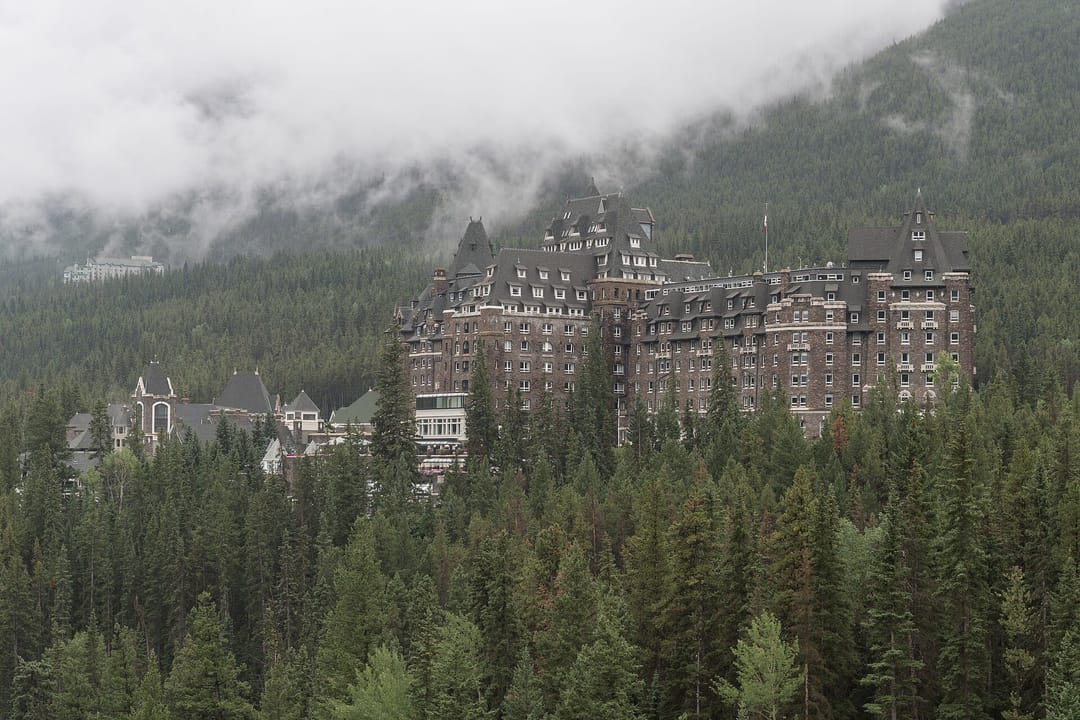
In the summer of 1953, Marilyn stayed in this baronial "castle in the Rockies" while shooting the Western River of No Return, with Joe DiMaggio turning up regularly on location. The filming was punishing, and she sprained her ankle in the river, but between scenes she was often spotted walking the Bow River or taking a turn on the celebrated golf course. Ask about the resort's history tour while you are there.
Banff, Alberta. Rooms from around $400 CAD per night.
The Canadian Rockies
The film's astonishing backdrop is all still there for the taking: the peaks and lakes of Banff and Jasper National Parks, the turquoise of Lake Louise, the winding Bow River, and the wilder Maligne and Snake Indian Rivers up in Jasper that stood in for the story's white water.
Banff and Jasper National Parks, Alberta. Park passes required.
Whyte Museum of the Canadian Rockies
Banff's own museum keeps photographs of the star taken while she was out and about in town, a quiet, rewarding stop for anyone retracing her mountain summer.
Banff, Alberta. Admission around $12 CAD.
Mexico
Marilyn's Mexican journeys ran from sun-drenched beach breaks with Joe DiMaggio in the early 1950s to a poignant solo trip in 1962, when, newly divorced, she came to buy furniture and art for her first real home and fell for the country's warmth and colour.
Rosarito Beach Hotel
A grand old Baja beach hotel that has drawn Hollywood since the 1920s, and counted Marilyn among its guests in the 1950s. Right on the sand a short hop south of the border, it still leans happily on its golden-age past.
Rosarito, Baja California. Rooms from around $105 per night.
El Taquito
A long-running Mexico City restaurant said to have charmed Marilyn on her 1962 trip, where she lingered over tequila and margaritas. Full of old-world character, it is a delicious place to raise a glass to her Mexican adventure.
Mexico City. Mains from around $15.
Teotihuacan, Cuernavaca and Taxco
On that final trip Marilyn played the tourist in earnest, climbing the immense pyramids of Teotihuacan outside the capital, unwinding in the eternal-spring town of Cuernavaca, and browsing the silver workshops of hillside Taxco. Together they make a wonderful three-part loop through the Mexico she came to love.
Central Mexico. Pyramid admission modest; towns free to explore.
Jamaica
Jamaica Inn
In January 1957, Marilyn spent a fortnight's honeymoon in Jamaica with her new husband Arthur Miller, flying into Montego Bay and settling at this elegant, colonial-style retreat on the north coast at Ocho Rios. Small, serene and gloriously old-fashioned, with its own private cove, it is still one of the most romantic hideaways in the Caribbean.
Ocho Rios, Jamaica. Rooms from around $375 per night.
Rio de Janeiro
Copacabana Palace
Marilyn stayed at this legendary beachfront palace, a gleaming 1923 landmark on Avenida Atlântica, during her time in Rio. All white façade, marble and grand pool, it remains the grande dame of the Brazilian coast, and it is perfectly placed for that essential Rio ritual, the cable car up Sugarloaf Mountain for the view.
Copacabana, Rio de Janeiro. Rooms from around $270 per night.
Japan
The 1954 honeymoon with Joe DiMaggio doubled as a whirlwind tour of Japan, where Marilyn was met by adoring crowds so vast they occasionally overwhelmed the couple. Their itinerary is unusually easy to follow, since several of the hotels survive.
Imperial Hotel
The newlyweds checked in here in February 1954 and were mobbed by ecstatic crowds. The original Frank Lloyd Wright building is long gone, but the Imperial remains the grande dame of Japanese hospitality and keeps the Marilyn-and-Joe chapter of its history proudly alive.
Hibiya, Tokyo. Rooms from around ¥30,000 per night.
Kawana Hotel
Craving a break from the press, Marilyn and Joe slipped off for two nights to this seaside golf resort on the Izu Peninsula. It is here, the charming story goes, that a late-night craving of Marilyn's led an apprentice chef to dream up omurice, the omelette-and-rice dish still adored across Japan.
Ito, Shizuoka. Rooms from around ¥30,000 per night.
Oriental Hotel
Marilyn also spent part of the Japanese trip at Kobe's historic Oriental Hotel. Reborn as a sleek modern hotel that nods to its heritage, it makes an elegant base in this handsome port city.
Kobe, Japan. Rooms from around ¥25,000 per night.
Royal Nakasu Honten
While Joe ran his baseball clinics, the couple spent several days in Fukuoka and dined each evening at this long-established French restaurant in the buzzing Nakasu district. A characterful spot to round off a Japanese Marilyn pilgrimage.
Nakasu, Fukuoka. Mains vary.
South Korea
A Wartime Detour
Marilyn famously cut her Japanese honeymoon short to fly to Korea and entertain tens of thousands of American troops, singing on open-air stages in the cold and bunking in plain military barracks. She later called it one of the happiest experiences of her life. There is no single site to book here, but it is an essential part of her story, and a reminder of the warmth beneath the glamour.
Republic of Korea.
Live Like Marilyn
A note on the scent.
Asked what she wore to bed, Marilyn gave the most famous answer in the history of perfume: "Five drops of Chanel No. 5." A bottle of it remains the simplest way to carry a little of her with you, though for the true completist there is also her English favourite, Floris Rose Geranium, bought in person on Jermyn Street. Wear one by day and the other by night, exactly as she did.
Dress like Marilyn.
Her wardrobe was built on a single, seismic idea: that a white dress and a warm smile could stop traffic, quite literally, over a subway grate. To dress like Marilyn is not to dress expensively; it is to dress with softness and confidence. A halter neck, a swirl of pleated white, a red lip, and the good humour to carry it all lightly. Off duty she loved the opposite too, a chunky knit cardigan and bare feet on a beach, so pack both the glamour and the ease.
Eat like Marilyn.
For all the champagne, Marilyn's tastes ran comfortingly simple. She loved "The Marilyn" sandwich at Canter's, a bowl of chilli at Barney's Beanery, spaghetti in a back booth, and, above all, ice cream: she was devoted to hot fudge sundaes and would order one even at the Polo Lounge. Do as she did and refuse to feel guilty about pudding.
Drink like Marilyn.
Her drink was champagne, and not just any champagne. She adored Dom Pérignon, reputedly the 1953 vintage, and once famously filled a bathtub with three hundred and fifty bottles of the stuff. You need not go that far. Her serve could not be simpler.
Marilyn's Champagne: one bottle of good champagne, very well chilled; a chilled coupe (never a flute); and, optionally, a single ripe strawberry.
Pour slowly into the coupe, drop in the strawberry if you are feeling romantic, and sip it the way Marilyn did everything, with a little breathlessness and a great deal of style.
The last word.
Marilyn's story is a story of grand hotels and secret hideaways, of a girl who never had a home of her own until the very end. To walk her trail is to follow Norma Jeane becoming Marilyn, one glittering, temporary address at a time.
★ ESSENTIAL VIEWING ★
Niagara
1953
Gentlemen Prefer Blondes
1953
River of No Return
1954
The Seven Year Itch
1955
Bus Stop
1956
The Prince and the Showgirl
1957
Some Like It Hot
1959