 Photo: Photoplay, Public Domain, via Wikimedia Commons
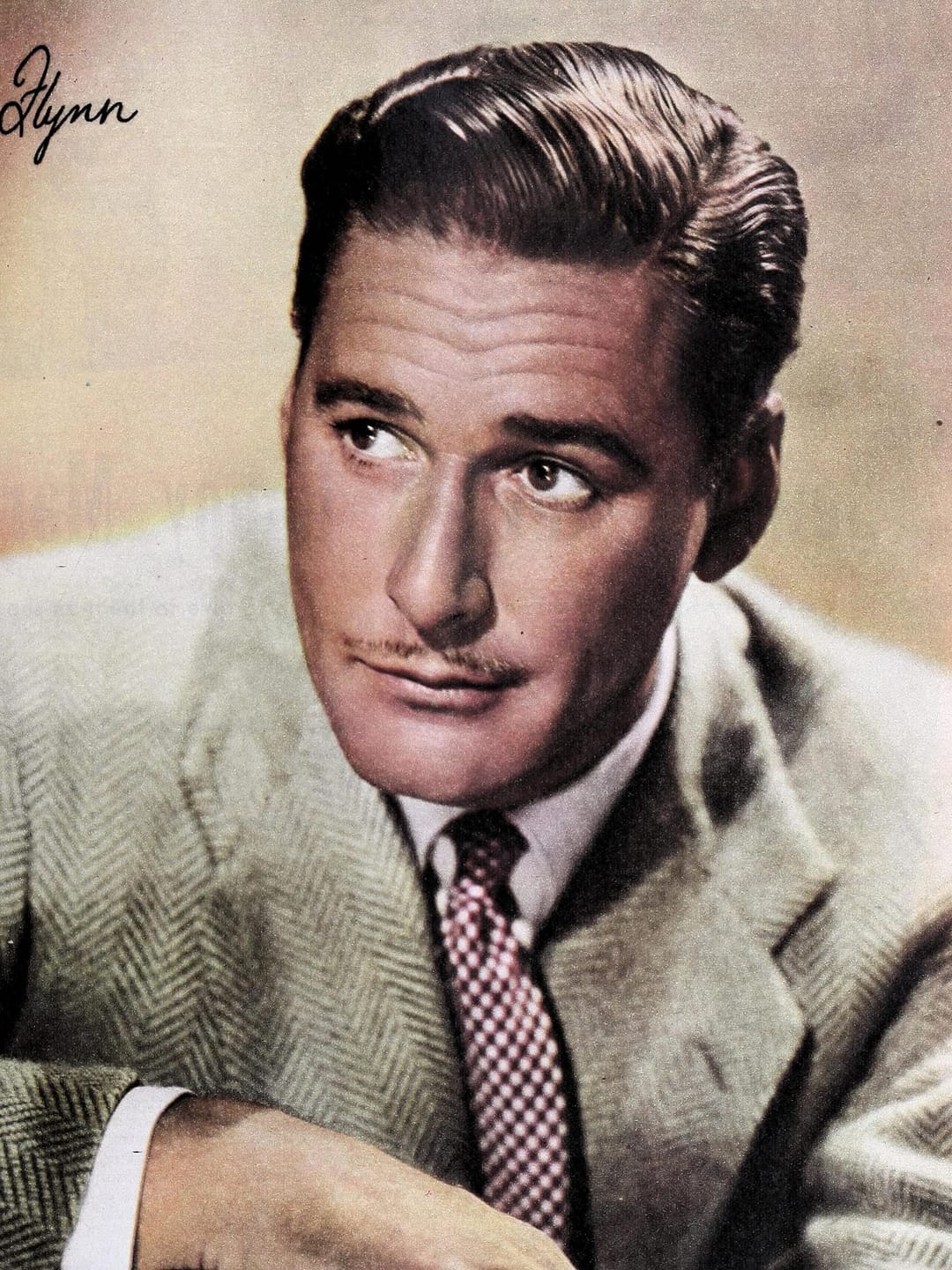
ERROL FLYNN
"The Last of the Swashbucklers"
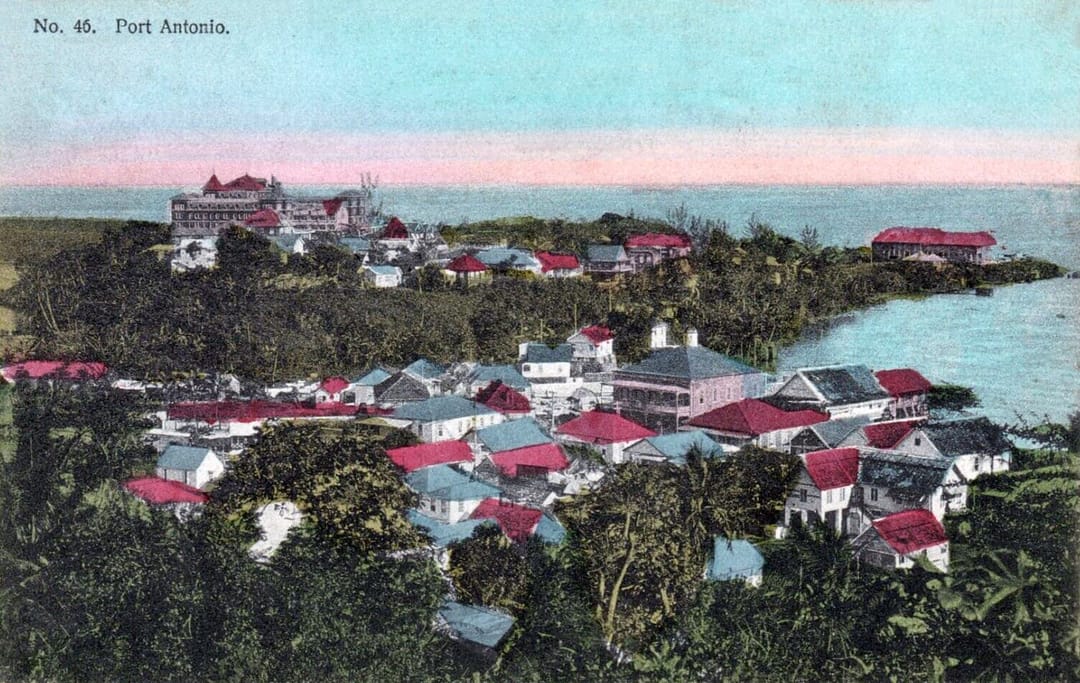
By the time Errol Flynn discovered Jamaica's northeast coast in the late 1940s, he had already spent more than a decade as Hollywood's reigning swashbuckler — Captain Blood, Robin Hood, a string of adventure pictures that made him one of the most recognisable faces in the world. What he found at Port Antonio was, by most accounts, a happy accident: bad weather forced his schooner the Zaca to put in there, and he liked what he saw enough to stay.
What followed was the last decade of his life: he settled in Port Antonio with his third wife, Patrice Wymore, bought land across the bay, and effectively built the town's reputation as a celebrity hideaway, almost single-handedly, before he died in 1959 at the age of fifty.
A Decade of Building
Flynn bought Navy Island, a 64-acre island at the mouth of Port Antonio's harbour, and moored the Zaca offshore as something close to a second home. He never built a permanent house there, but he planted a row of royal palms that reportedly still stand. He also acquired land at nearby Boston Bay and bought the historic Titchfield Hotel, intending to restore it.
It did not last. The Titchfield burned down for good in 1969, a decade after Flynn's death. Navy Island today sits closed and undeveloped, owned by the Jamaican Port Authority, its old resort buildings now ruins with trees growing through the floorboards. Of everything Flynn built in Port Antonio, very little survives in a form a visitor can actually walk through.
What's Left
Two things do remain. The marina at the harbour's edge was renamed the Errol Flynn Marina in his honour in 2009 and still operates today as a working yacht harbour. And the Trident Hotel, perched on the cliffs near Navy Island, opened during the years Flynn was putting Port Antonio on the map — not a property he owned, but very much a product of the cachet he gave the area. The full story, and what's worth visiting in Port Antonio today, is told in our companion piece below.
★ ESSENTIAL VIEWING ★
Captain Blood
1935
The Adventures of Robin Hood
1938