Classic Movies That Will Inspire You to Travel
My ultimate list of old movies that will inspire you to travel to dazzling, far-flung locations, to re-live the glitz and glamour of old Hollywood, on location.
Film has the ability to transport you to places you have never heard of and make you wish that you were there. I love visiting locations I have seen in old movies, more often than not they're still as chic today as they were back then.
This is my ultimate list of old movies that will inspire you to travel to dazzling, far-flung locations, to re-live the glitz and glamour of old Hollywood, on location.
1. To Catch A Thief (1955)
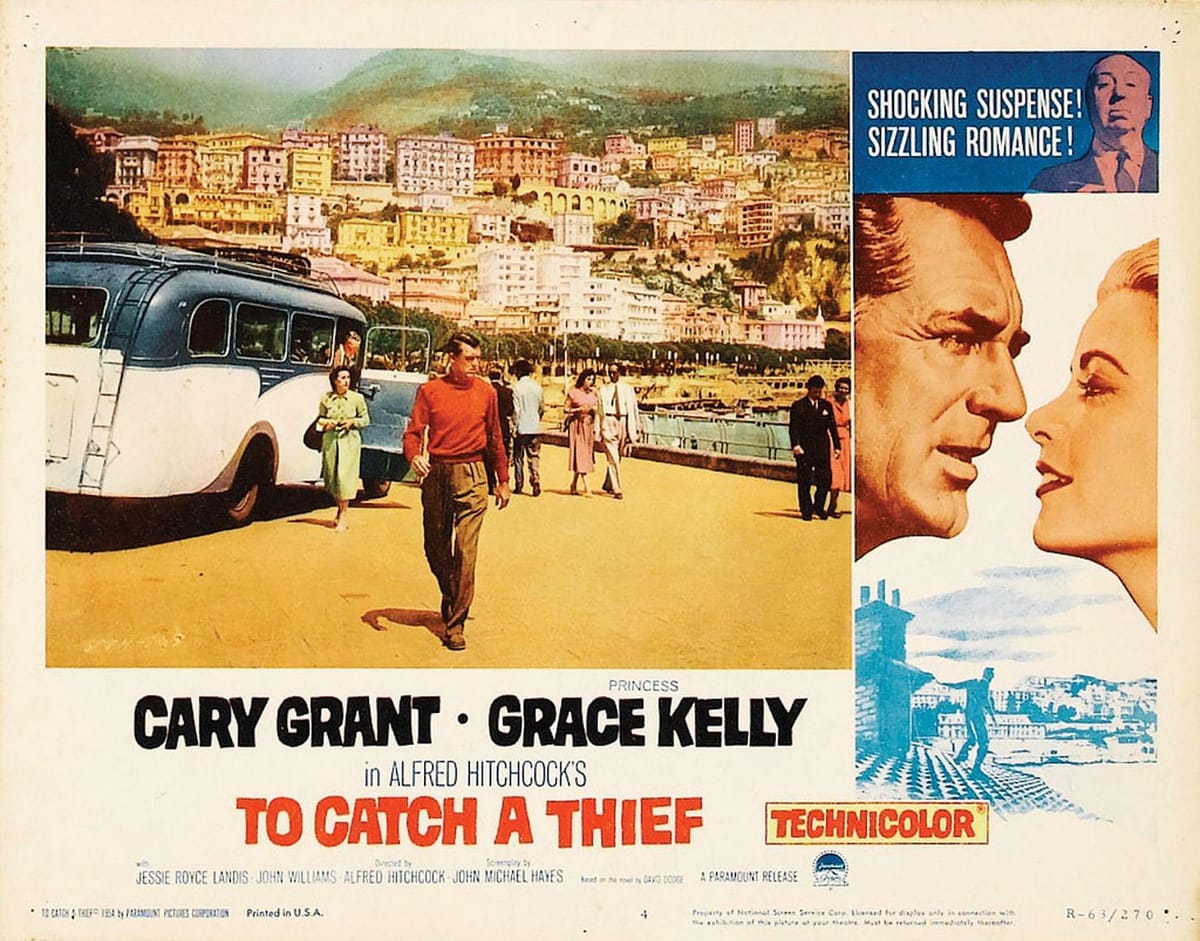
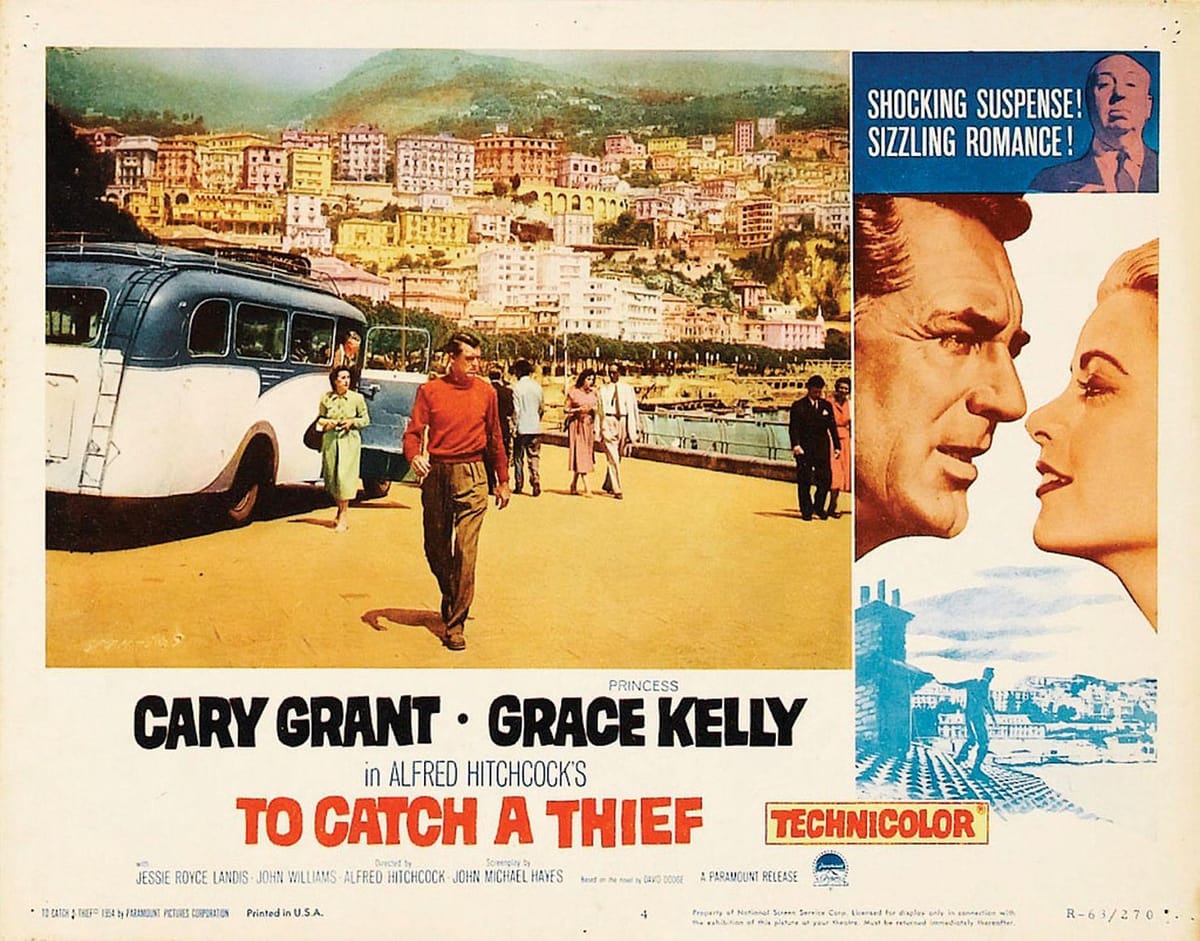
One of the most glamorous pictures of them all. Alfred Hitchcock delivers a highly charged romantic crime caper between two of Hollywood's brightest stars, Grace Kelly and Cary Grant, set against the spectacular backdrop of the French Riviera in the 1950s. Sweeping shots of Nice, Cannes and Eze confirm why France was, and still is, the world's most popular tourist destination. This was the director's first movie filmed in VistaVision (higher resolution, widescreen), making it even more palatable for modern audiences to sit back and soak up those views. Legendary Hollywood costume designer Edith Head created Kelly's iconic wardrobe for the film. Head later said it was her favourite of all the films she had worked on. The two leads positively sizzle, and the South of France has never looked more inviting. No wonder Kelly fell in love with the place, and after watching this film, you will too.
If you want to discover the filming locations of To Catch a Thief in minute detail, check out the Hitchcock Zone.
Experience it in person
The Riviera filming locations are all easily visitable. The flower market in Nice where Grant's character is followed is still held on the Cours Saleya. The winding corniche roads above Monaco, where Kelly drove Grant at terrifying speed, remain one of the most spectacular drives in Europe. The Villa Leopolda in Villefranche-sur-Mer, which doubled as the palatial home of Jessie Royce Landis's character, is privately owned and not open to the public, but you can admire it from the road. Villefranche-sur-Mer itself is one of the prettiest towns on the Cote d'Azur, barely changed since the 1950s, with hotels from around €60 per night. For the full Kelly experience, book a room at a hotel overlooking the bay and order a glass of rose on the terrace at sunset. You will not regret it.
2. Pandora and the Flying Dutchman (1951)
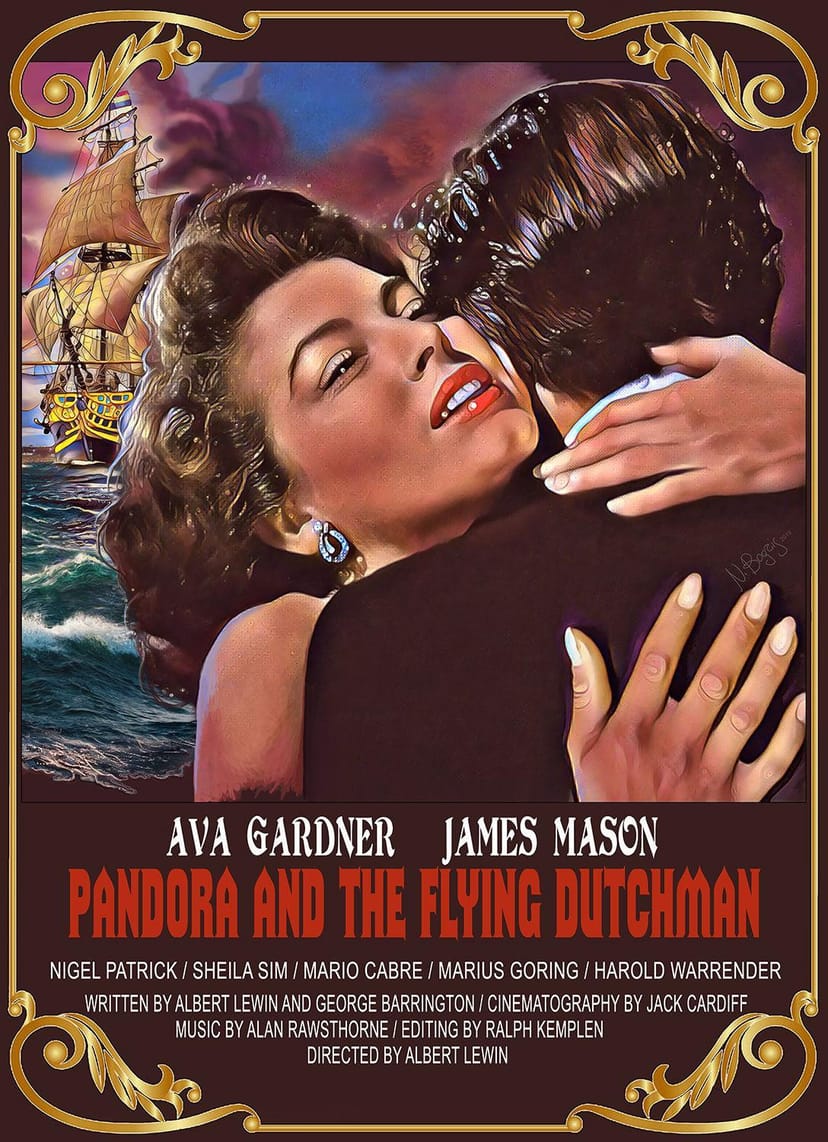
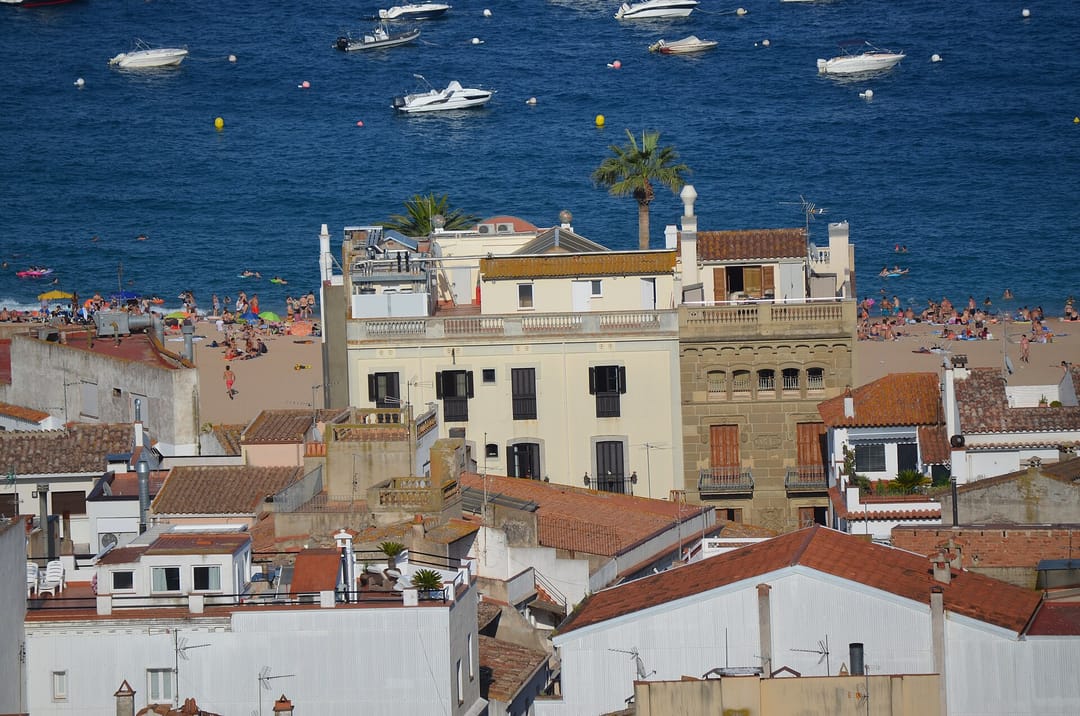
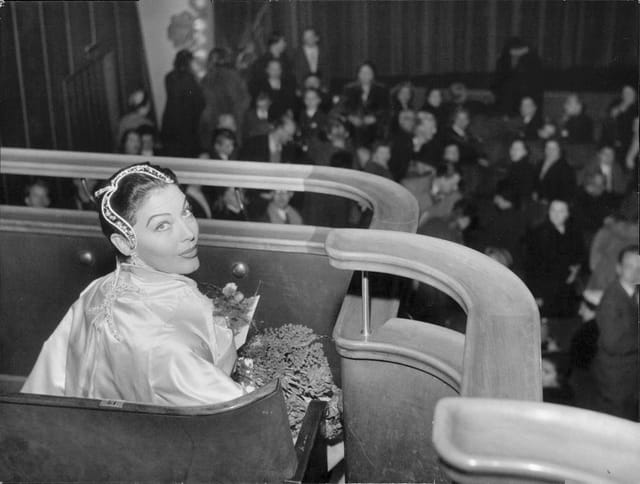
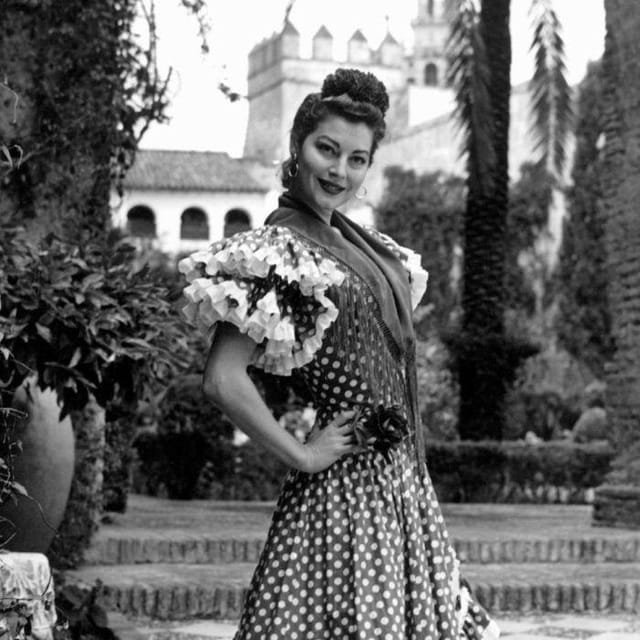
A gorgeously over-the-top melodrama that combines ghostly folk tales, unrequited love, and furious flamenco. According to the legend, the Flying Dutchman was condemned to wander the seas eternally unless he could find a woman who loved him enough to make the ultimate sacrifice for him. Ava Gardner is at her beautiful peak as sacrificial lamb Pandora Reynolds, in this stunning film set in the lovely seaside town of Tossa de Mar on Spain's Costa Brava. The movie opens with a sweeping shot of the waves pounding the beach, as the camera slowly pans upward to reveal the stunning cove with a castle on top. The succulent Technicolor cinematography was created by Jack Cardiff, whose name will pop up many times on this list. He was a favourite of British super-directors Powell and Pressburger, and he succeeded in capturing some of the most captivating footage ever shot on film. Read more about visiting and staying in Tossa de Mar in the Ultimate Ava Gardner Travel Guide.
Experience it in person
Tossa de Mar has changed remarkably little since Gardner and James Mason filmed here in 1950. The medieval walled town (Vila Vella) that crowns the headland above the beach is still there, the cove is still gorgeous, and the Hotel Diana on the Plaza de Espana, where Frank Sinatra came to visit Ava on set and the two stayed together, is still open. It's a family-run modernist boutique hotel, built by a disciple of Gaudi, with direct beach access, sea-view rooms, and a beachfront restaurant called La Terraza del Diana. Ranked number one on Tripadvisor in Tossa de Mar. Rooms from around €100 per night in season. It's the kind of place where you half-expect Ava Gardner to walk through the door in a white sundress and ruin everyone's afternoon.
3. Second Chance (1953)
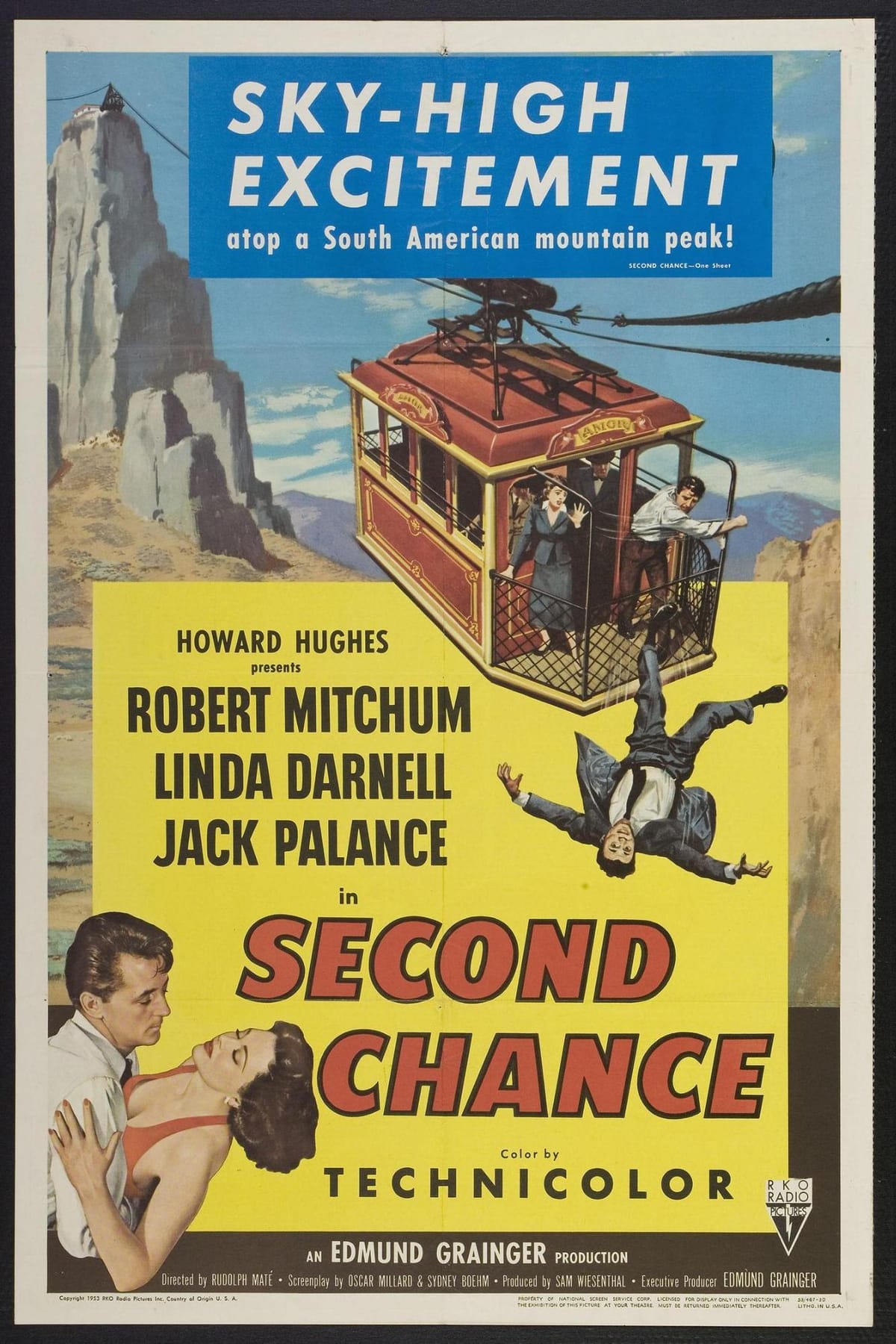
The last line of this movie is "what a beautiful disaster!" which sums it up perfectly. This 3-D Technicolor noir/romance, produced by Howard Hughes's RKO Studios, was filmed on location in Mexico and stars Robert Mitchum and the lovely Linda Darnell. The scenery is striking and the two leads are very watchable (do classic Hollywood leading men get much sexier than Bob Mitchum? I don't think they do) but the film lacks real oomph until its final act, a nail-biting finale involving a cable car dangling by a thread high above a mountain. Second Chance is a thoroughly entertaining, pulpy romp, all style over substance (a typical Howard Hughes movie, then). The middle of the film features a long sequence showcasing a typical Mexican fiesta with fireworks and a suggestive dance scene that will have you on TripAdvisor as the credits roll, planning your trip to Mexico.
Experience it in person
The cable car sequences were filmed at Taxco, a stunning silver-mining town about two hours south of Mexico City, built on the side of a mountain and famous for its whitewashed colonial architecture and silver jewellery shops. The town is a designated Pueblo Magico (Magic Town) by the Mexican government and is well worth a day trip or overnight stay. The cable car (teleferico) that features in the film's climax no longer operates, but the vertiginous views from the town are just as dramatic. Budget hotels from around $30 per night; silver jewellery from considerably less.
4. The Red Shoes (1948)
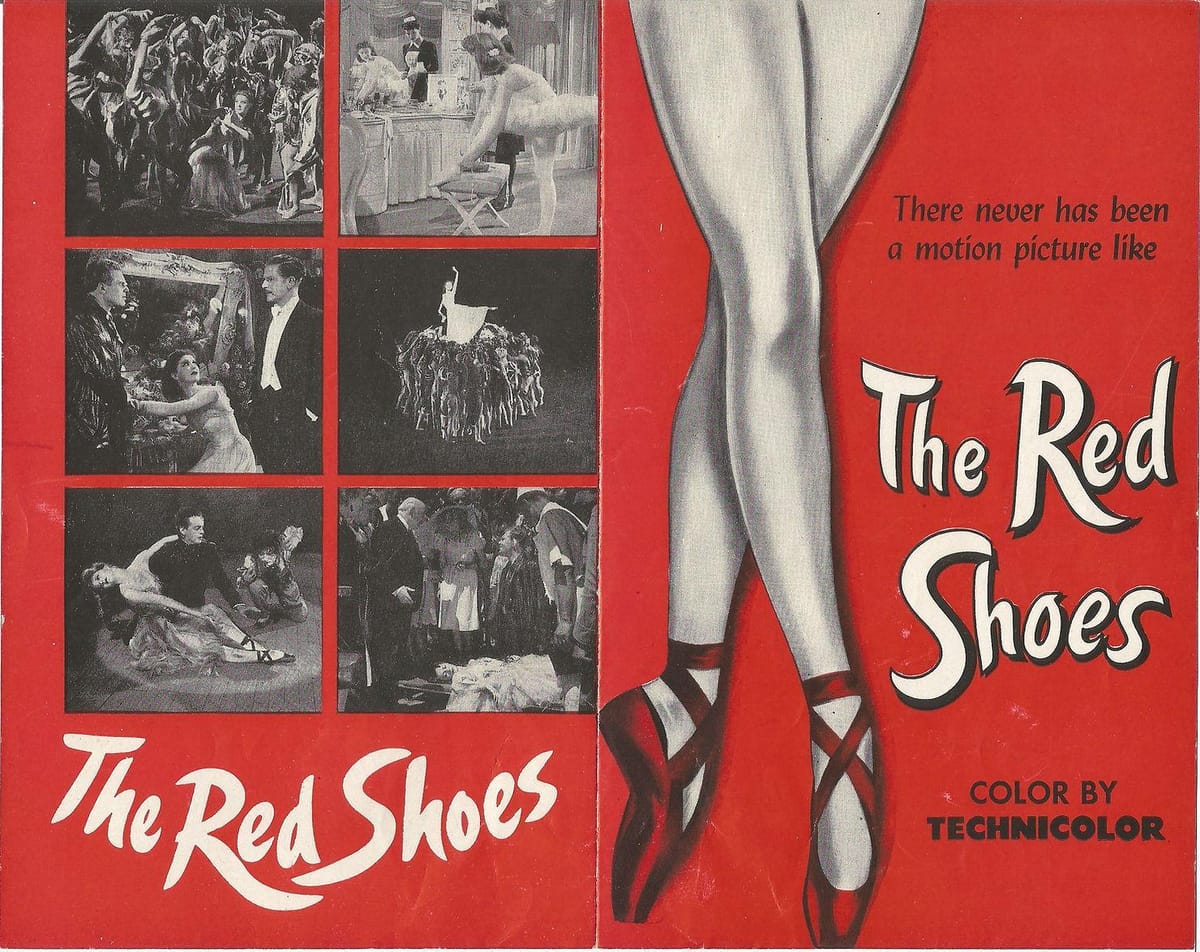
Michael Powell and Emeric Pressburger's haunting tenth collaboration features stunning cinematography from Jack Cardiff (him again) that makes London, Monte Carlo, and the Cote d'Azur dance and sparkle along with Moira Shearer, the captivating leading lady in this truly epic and artful film. Celebrated film critic Roger Ebert said of The Red Shoes, "the film is voluptuous in its beauty and passionate in its storytelling. You don't watch it; you bathe in it." Powell knew the French Riviera well; his father owned a hotel in Cap Ferrat when he was a child, and this film certainly acts as a love letter to those familiar places he frequented as a young man. Filming locations included the always-chic seaside town of Villefranche-sur-Mer and the magnificent Villa Leopolda, which also featured in Hitchcock's To Catch a Thief eight years later.
Experience it in person
Villefranche-sur-Mer is a ten-minute drive (or a short train ride) east of Nice and is one of the most photogenic harbours on the Riviera. The pastel-coloured waterfront where Cardiff set up his cameras looks virtually identical to how it appears in the film. The Villa Leopolda, perched above the town on 18 acres, is privately owned (it was valued at over €370 million the last time it nearly sold), but you can see its gardens from the road. For a taste of the film's Monte Carlo scenes, the Casino de Monte-Carlo is open to visitors for a €17 entry fee, dress code enforced. Hotels in Villefranche-sur-Mer from around €60 per night.
5. Around the World in 80 Days (1956)
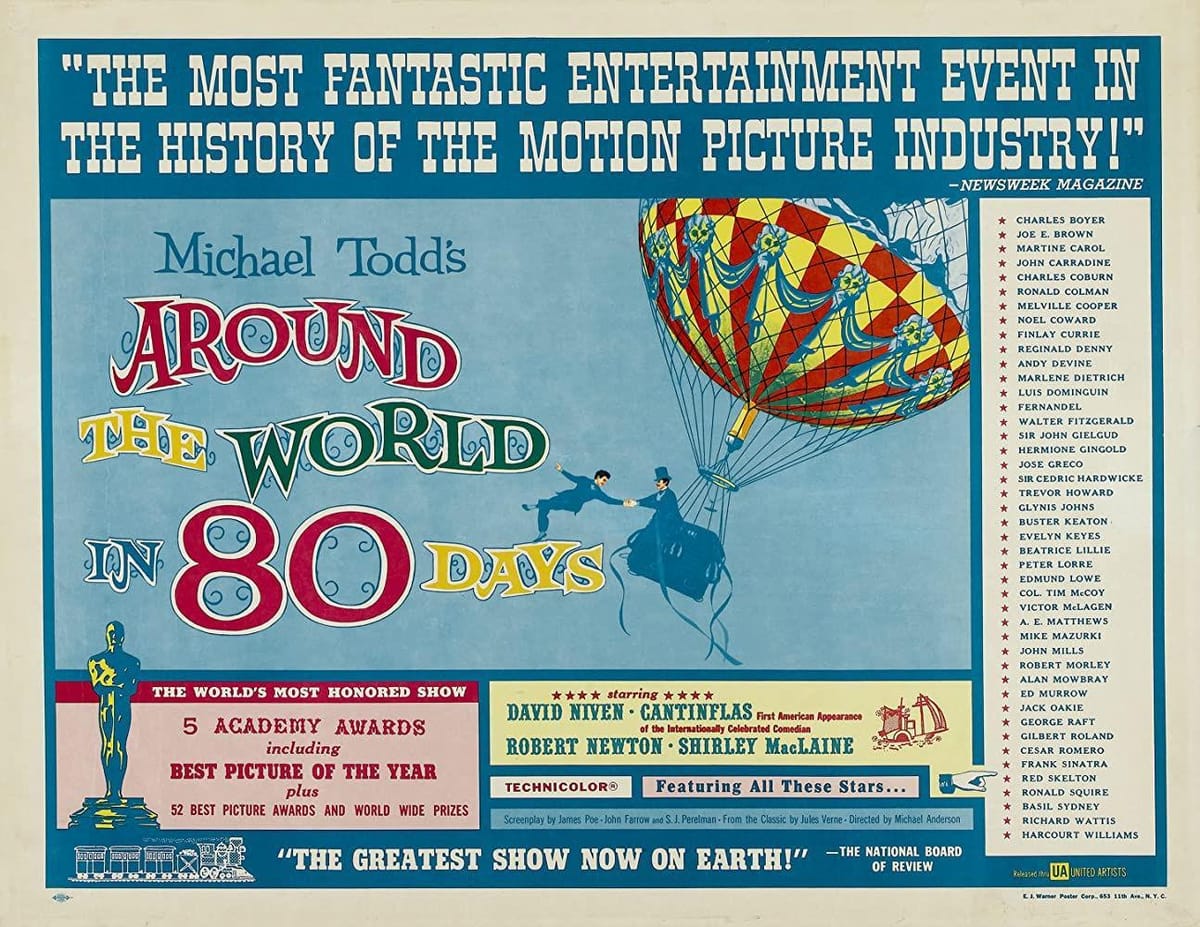
The public flocked to see the spectacle of Around the World in 80 Days, produced by Elizabeth Taylor's ill-fated third husband, Mike Todd. Adapted from the 19th-century novel by Jules Verne, David Niven plays intrepid traveller Phileas Fogg, alongside Mexican comic Cantinflas as his valiant valet, plus a host of stars in cameo roles, including Noel Coward, Buster Keaton, Marlene Dietrich, and Frank Sinatra. Locations are as far-flung as India, Thailand, and Japan, and each destination on Mr Fogg's itinerary is showcased in dazzling Todd-AO 70mm format, a rival to CinemaScope at the time. It is the ultimate on-screen travel odyssey, with Niv and Cantinflas as your intrepid guides.
Experience it in person
The film's London scenes were shot at the Reform Club on Pall Mall (which doubled as Fogg's gentleman's club) and around Piccadilly. In Spain, the bullfighting sequences were filmed in the town of Chinchon, about 45 minutes south of Madrid, whose medieval Plaza Mayor is still used for bullfights during its annual fiesta in October. The India sequences were filmed partly at the Amer Fort near Jaipur. All three locations are open to visitors. For the true Around the World in 80 Days experience, you could simply use the film as an itinerary and attempt the whole thing. Someone should probably try that.
6. And God Created Woman (1956)
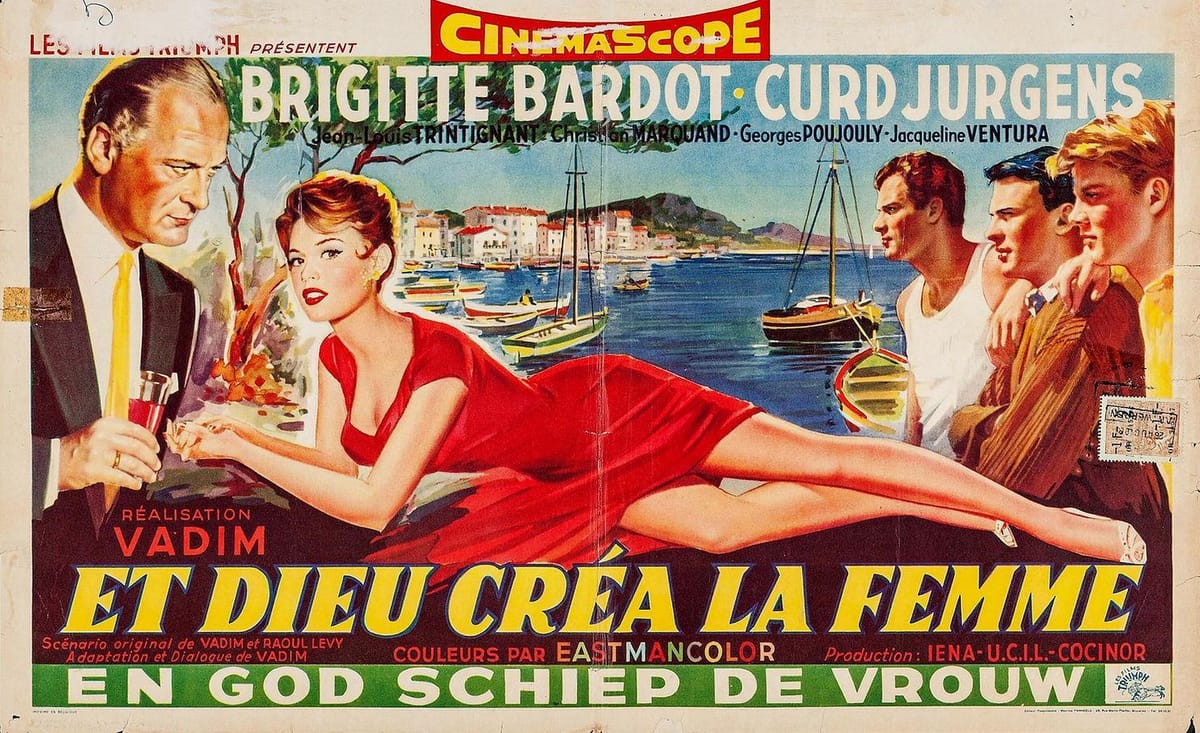
This 1956 film, set in sultry St Tropez, made Brigitte Bardot an international star. The film's director and Bardot's husband at the time, Roger Vadim, said "it was the first time on screen that a woman was shown as really free on a sexual level, with none of the guilt attached to nudity or carnal pleasure." Bardot made quite the splash with 1950s audiences and the film is often credited, alongside To Catch a Thief, with putting the South of France on the international tourist map. The French Riviera has it all, and its simple charms are captured beautifully in this movie: sparkling azure seas, pretty Provencal gardens (you can almost smell the bougainvillea), rolling vineyards, pastel-coloured ports, and chic French interiors. This is the France that dreams are made of. Much of the film was shot along the iconic waterfront, which, rather astonishingly, has changed very little since.
Experience it in person
The St Tropez waterfront where Bardot's character dances barefoot is still recognisable, though the prices have increased somewhat since 1956. The old port is best visited in the morning before the superyachts disgorge their passengers. Bardot herself still lives near St Tropez (she moved there permanently after the film), and the town has never shaken its association with her. The Hotel Byblos, which opened a decade after the film and became the unofficial celebrity headquarters of St Tropez, is still the place to stay if budget allows (rooms from around €400 per night in season). For something more affordable and more in keeping with the film's barefoot spirit, try the smaller hotels in the backstreets of the old town, where rooms start from around €120. The Plage de Pampelonne, the legendary beach south of town, is where Bardot sunbathed and where the rich and restless still congregate. Sun lounger hire from around €25 per day.
7. Funny Face (1957)
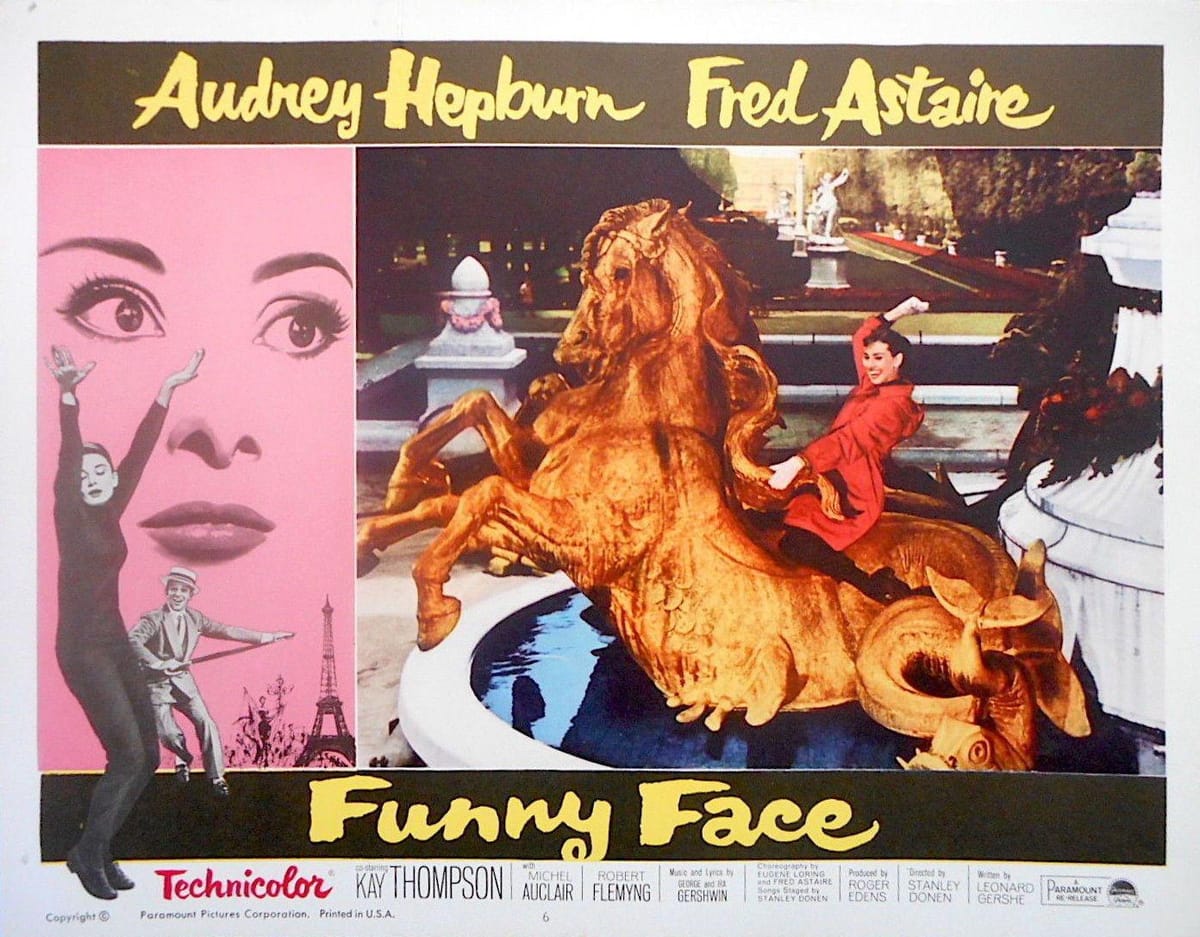
Join Audrey Hepburn and Fred Astaire on a lavish, love-happy Paris holiday set to the lilting music of George Gershwin. Hepburn's "ugly duckling" (eye roll) Greenwich Village bookseller is transformed into a Paris model by the nifty-on-his-feet Astaire. Photoplay magazine described this frothy concoction as a "combined fashion show, Cinderella story and travelogue" all rolled into one. The "Bonjour Paris!" musical number features a montage of pretty much every major Parisian landmark you can think of, and while the majority of the film was shot on the lot at Paramount in California, Audrey and Fred did spend some time soaking up the romance of Paris, shooting at the Place de l'Opera, the Champs-Elysees, and, of course, the incomparable Eiffel Tower. The famous wedding gown finale was filmed at the Chateau de la Reine Blanche near Coye-la-Foret, just north of Paris.
*See also An American in Paris and Gigi if you are after more Paris-set classic musical action.
Experience it in person
The Paris of Funny Face is still very much intact. The steps of the Palais Garnier (the Opera house) where Astaire dances are open to visitors, and the building itself offers guided tours and performances. The bookshop that inspired Hepburn's character is widely believed to be based on the famous Shakespeare and Company on the Left Bank, which is still open and still gloriously chaotic. You can retrace the "Bonjour Paris!" sequence on foot in a long afternoon: the Eiffel Tower, the Tuileries, the Arc de Triomphe, and the flower market at the Ile de la Cite are all within walking or metro distance. Note that the Louvre has increased its entry fee for non-European visitors to €32 as of 2026. The Chateau de la Reine Blanche where the wedding finale was filmed is privately owned, but the surrounding Foret de Chantilly is open to walkers.
8. Notorious (1946)
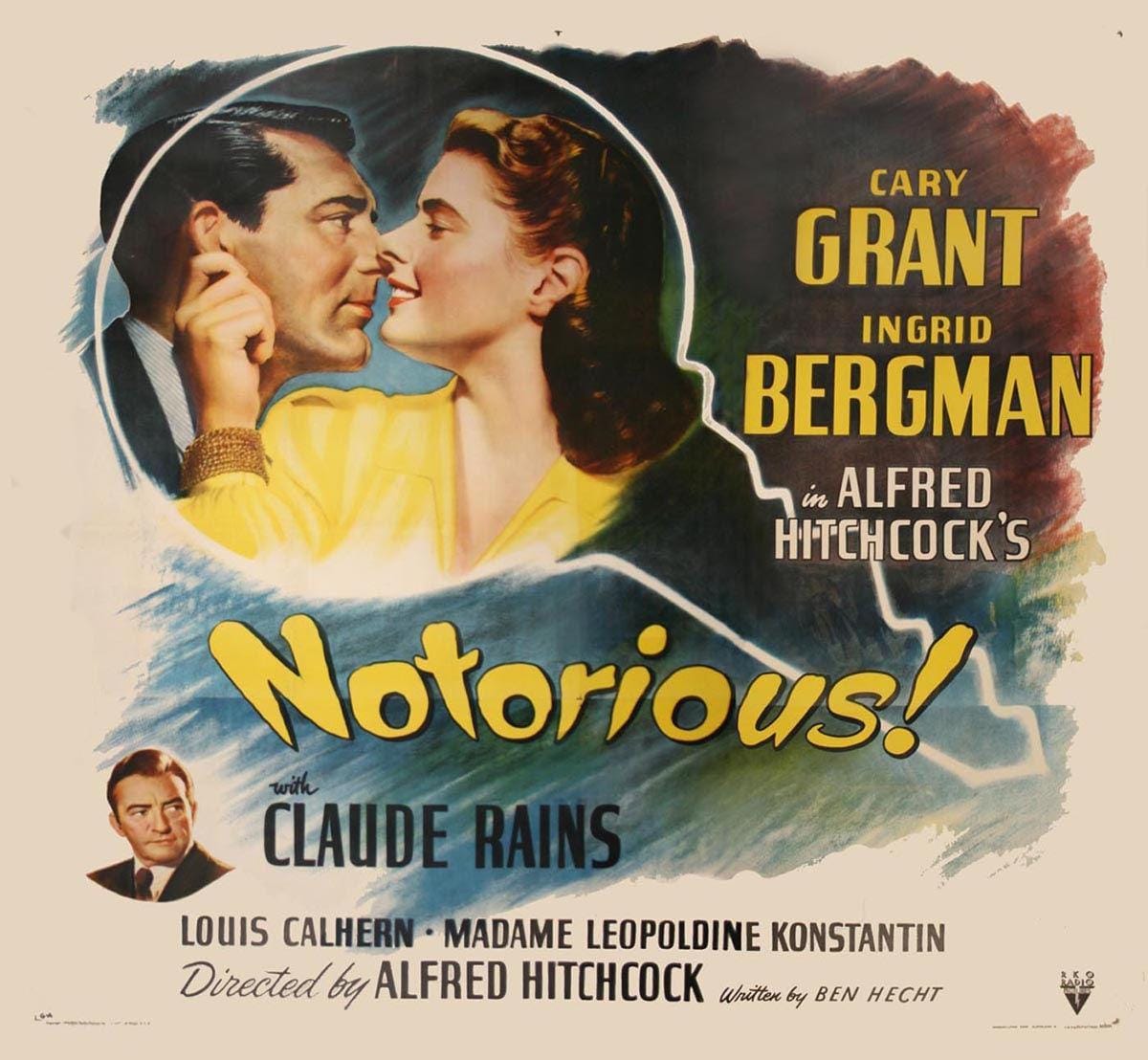
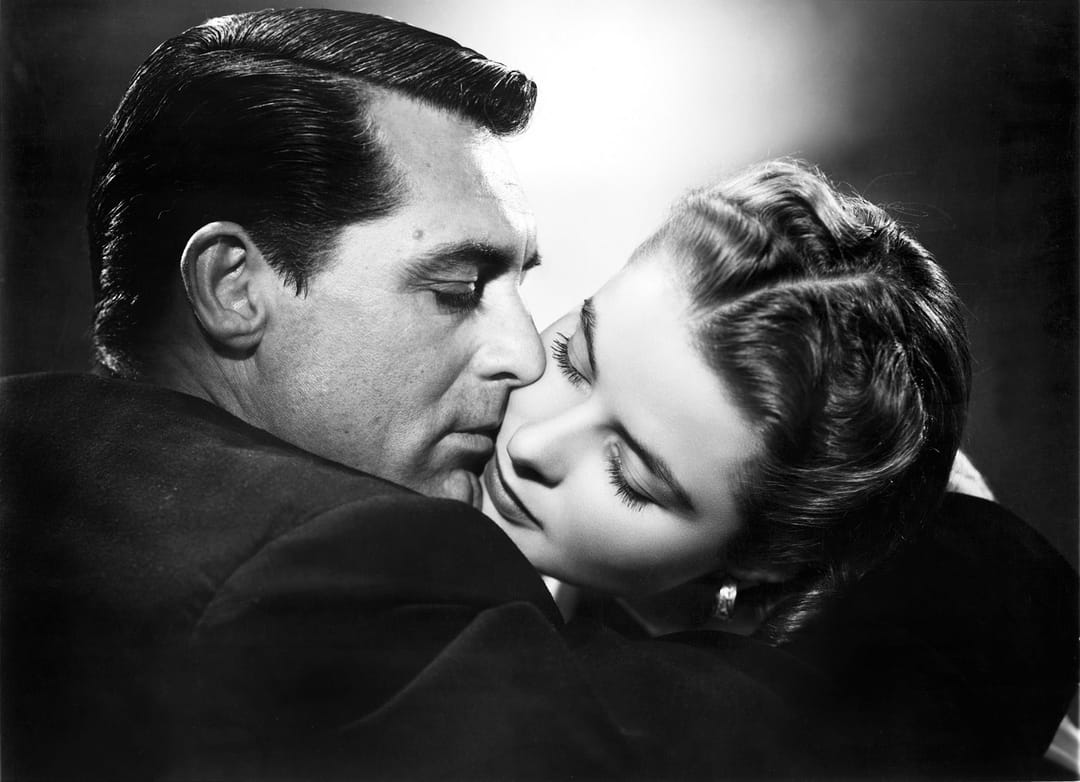
One of Hitchcock's finest (and darkest) outings. Notorious sees Cary Grant's government agent convince Nazi offspring Ingrid Bergman to infiltrate her father's network to root out an old friend, a suspected ex-Nazi officer, played by Claude Rains. This is one of the most erotic films of the classic era, thanks to the intense chemistry between Grant and Bergman. The film begins in Miami before switching to the glamour and the heat of Rio de Janeiro. While most of the action was filmed on RKO sound stages, the establishing shots of Rio and the infamous, censor-defying, 60-second screen kiss that takes place on a hotel balcony overlooking Copacabana Beach will inspire you to plan a tropical, retro getaway adventure of your own.
Experience it in person
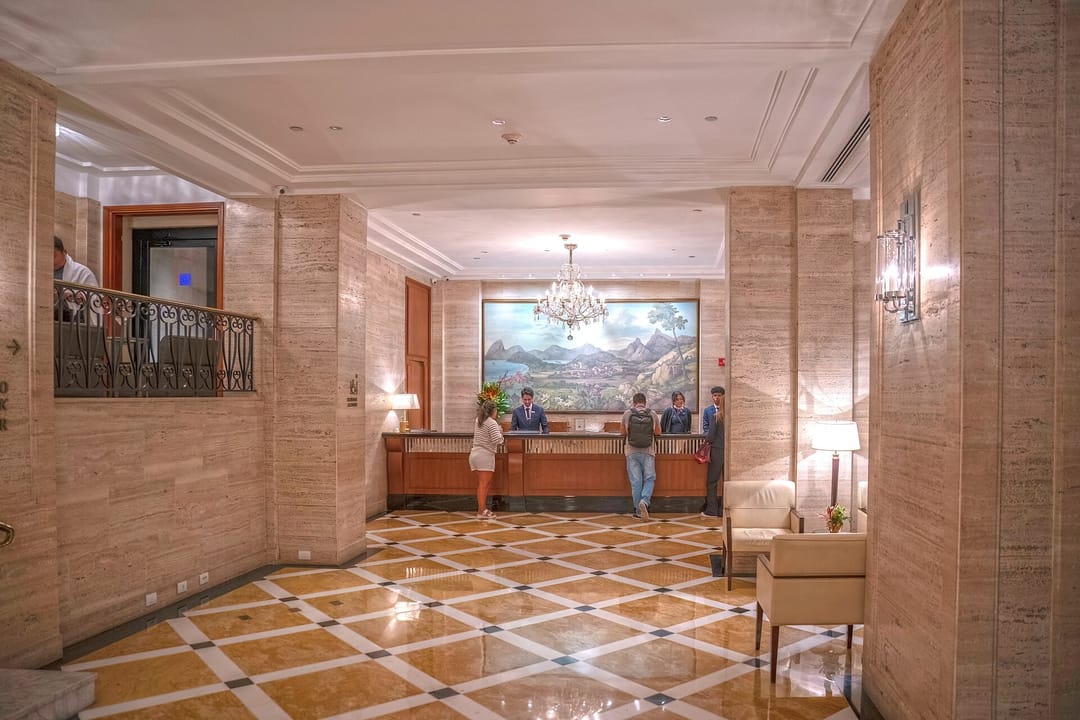
The balcony kiss was set at the Copacabana Palace Hotel, which has been Rio's most famous hotel since it opened in 1923. It's still there, still grand, and still the place to stay if you want to channel Grant and Bergman. The hotel overlooks Copacabana Beach and has a stunning art deco pool. Rooms from around $300 per night. For the less extravagant, Copacabana Beach itself is free, and the views up to Sugarloaf Mountain that feature in the film's establishing shots are just as spectacular today. A cable car ride to the top of Sugarloaf costs around $25 and is worth every centavo.
9. Roman Holiday (1953)
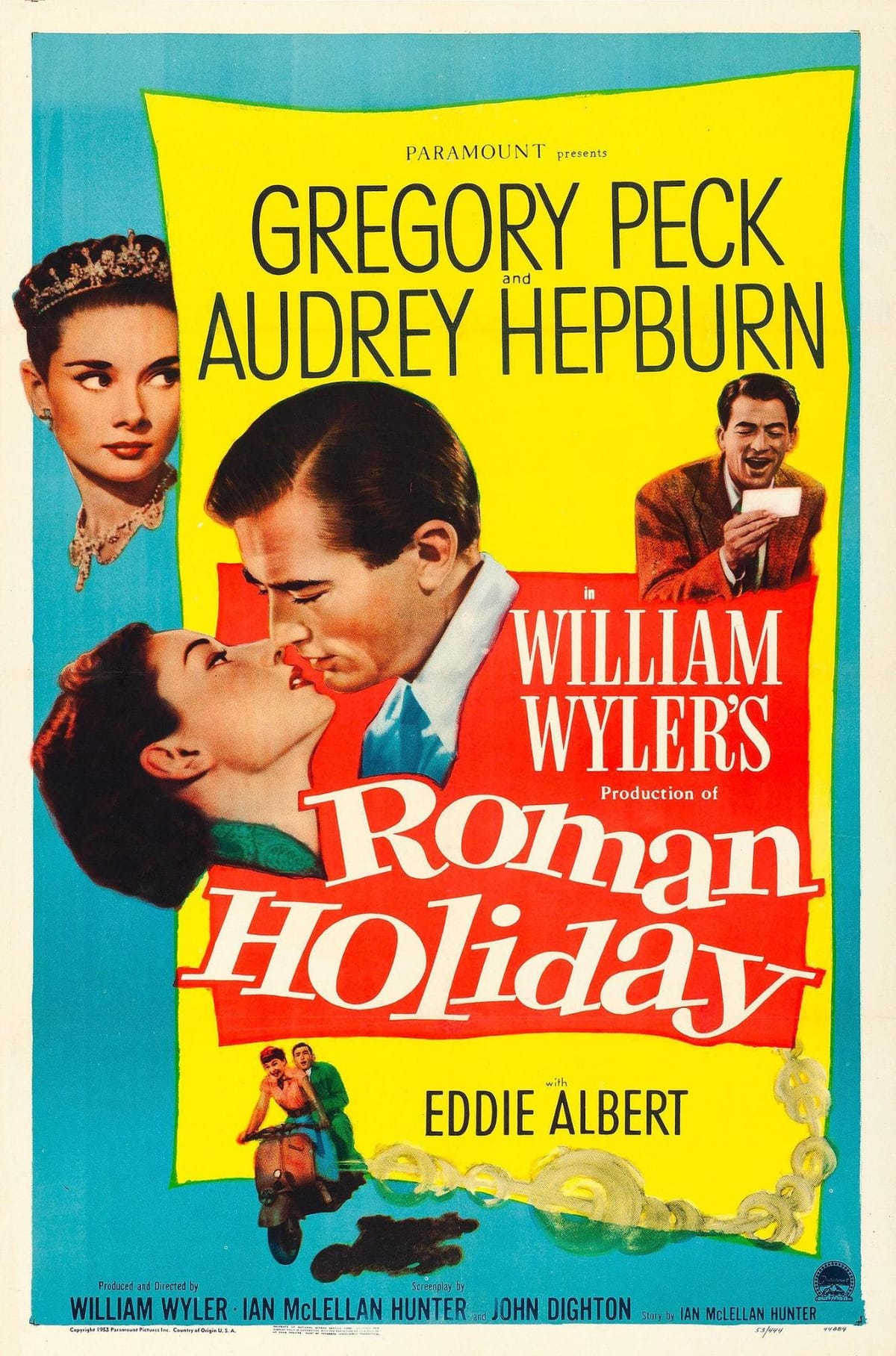
Audrey Hepburn plays a princess (said to be based on Queen Elizabeth II and her glamorous sister, Princess Margaret) who whisks herself off for an incognito jaunt around Rome, only to fall in love with debonair reporter Gregory Peck in the process. Their ride around the city astride a Vespa scooter is the stuff of Hollywood legend, and has been copied by couples exploring the city ever since (it's worth noting that the traffic has increased a fair bit since then). The Trevi Fountain, the Mouth of Truth (Bocca della Verita), and the Palazzo Colonna all feature in this classic movie, directed by William Wyler, making it a stunning travelogue of 1950s Rome.
Experience it in person
Almost every Roman Holiday filming location is still visitable. The Mouth of Truth at the Basilica di Santa Maria in Cosmedin, where Peck pretends to have his hand bitten off, is free to visit (though expect a queue). The Trevi Fountain now charges a €2 access fee as of 2026, which is intended to manage the crowds and maintain the monument. You can still see it from a distance for free. The Spanish Steps, where Hepburn eats gelato, are open to all, though eating on them is now banned (ironic, given that Hepburn made it look so elegant). For the full experience, rent a Vespa and recreate the ride, though Roman traffic is genuinely terrifying and the city's one-way system was apparently designed by a sadist. Several companies near the Colosseum offer guided Vespa tours with an experienced driver, which is the safer and arguably more romantic option. From around €80 per person.
10. The Loves of Carmen (1948)
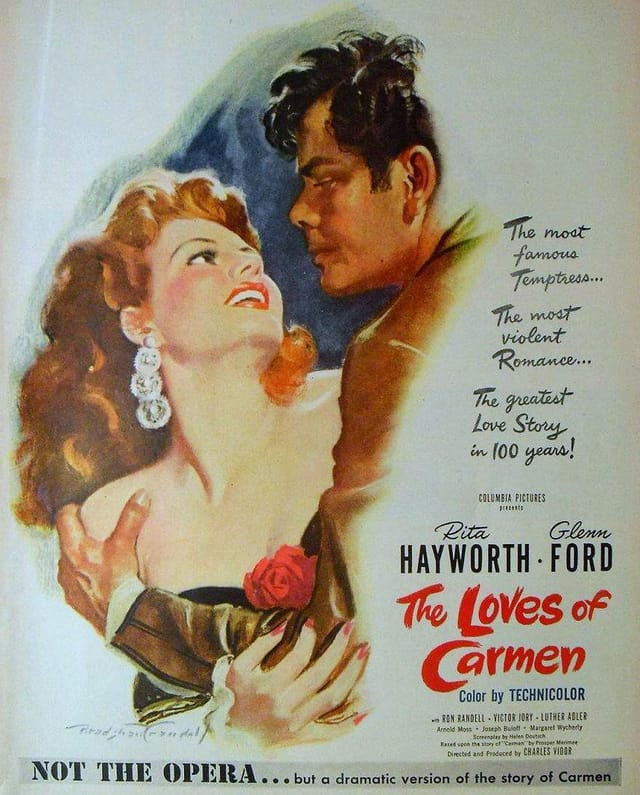
Rita Hayworth plays Prosper Merimee's wanton gypsy harlot Carmen in Charles Vidor's 1948 classic. When the film came out, Hayworth had just started dating international playboy Prince Aly Khan, after divorcing Orson Welles and enjoying high-profile affairs with Howard Hughes and the Shah of Iran's brother. To the audiences at home, she was Carmen. Hayworth was a professional dancer before becoming an actress, and she sizzles during her flamenco routine. The film was shot at Columbia Studios in LA and the Alabama Hills near Lone Pine, but it's the sumptuous odes to Spanish culture, the over-the-top outfits, the Spanish guitars riffs and the authentic set dressing that make it worthy of inclusion in this list of movies that will inspire you to travel.
Experience it in person
While the film wasn't shot in Spain, it will make you want to go. For an authentic Carmen experience, head to Seville, the city where Merimee set his original novella. The Real Alcazar, the Plaza de Espana, and the narrow streets of the Barrio de Santa Cruz are all steeped in the kind of atmosphere the film tried to recreate on a Hollywood sound stage. Flamenco shows are performed nightly at tablaos across the city, including the Tablao El Arenal, one of Seville's oldest and most respected venues. Shows from around €40 including a drink. If you want to see the Alabama Hills where the outdoor scenes were filmed, they're a four-hour drive north of Los Angeles and are also recognisable from dozens of other classic Westerns.
11. Mogambo (1953)
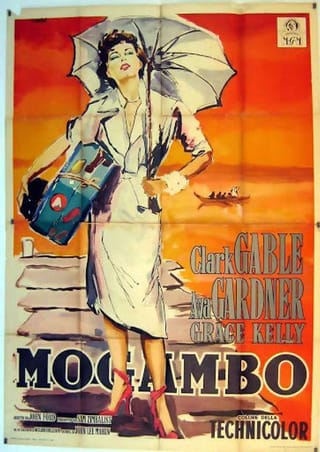
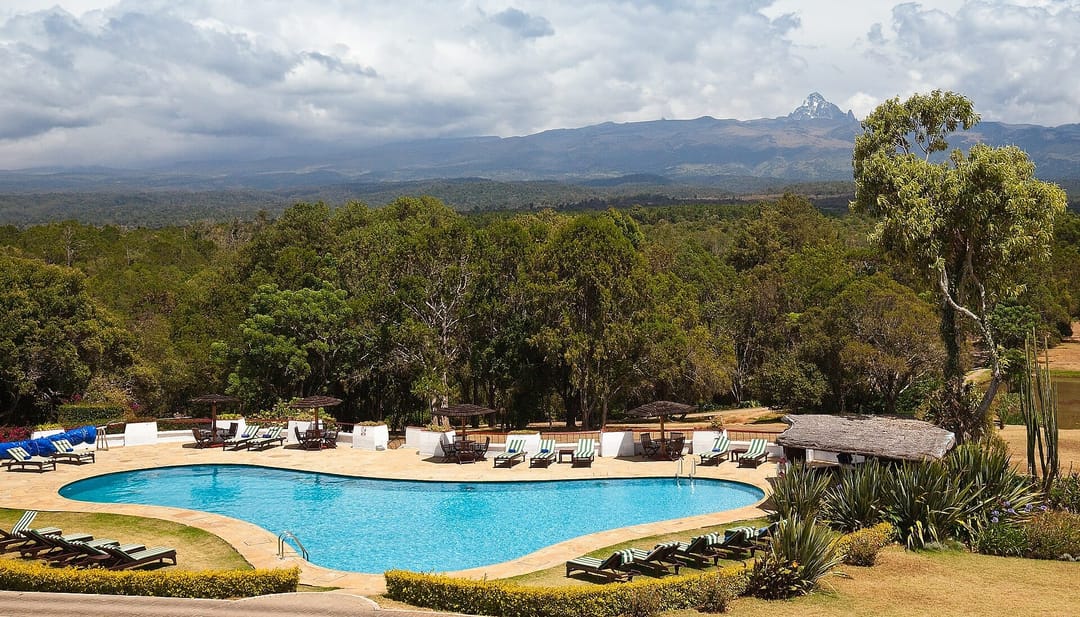
Among all the jungle pictures ever produced in Hollywood, pride of place still has to go to John Ford's Mogambo. Clark Gable is torn between two of cinema's most beautiful women, Grace Kelly and Ava Gardner, in this remake of one of Gable's biggest early hits, Red Dust. (Gable reprised the leading role he had played 20 years earlier, an unusual achievement that I don't think was ever matched by any big-name actress of the time. I wonder why.) Most of the action was filmed on location in Kenya and Uganda, with lots of vivid Technicolor jungle shots of wild African animals. The crew set up camp near the Kagera River, then a second camp was erected close to the Uaso Nyiro River. They stayed at the New Stanley Hotel during filming and were known to visit the Mount Kenya Safari Club for drinks and entertainment. If you've never thought about going on safari before, you will after watching this beautiful film.
If you're hankering for more classic jungle adventures to inspire your travel plans, check out Bogie and Hepburn in John Huston's classic The African Queen, watch swashbuckling Stewart Granger in King Solomon's Mines, or try a bit of naughty pre-code Tarzan (but beware, this was filmed decades before the animal welfare act was introduced and some of the animal scenes can be upsetting for modern viewers).
Experience it in person
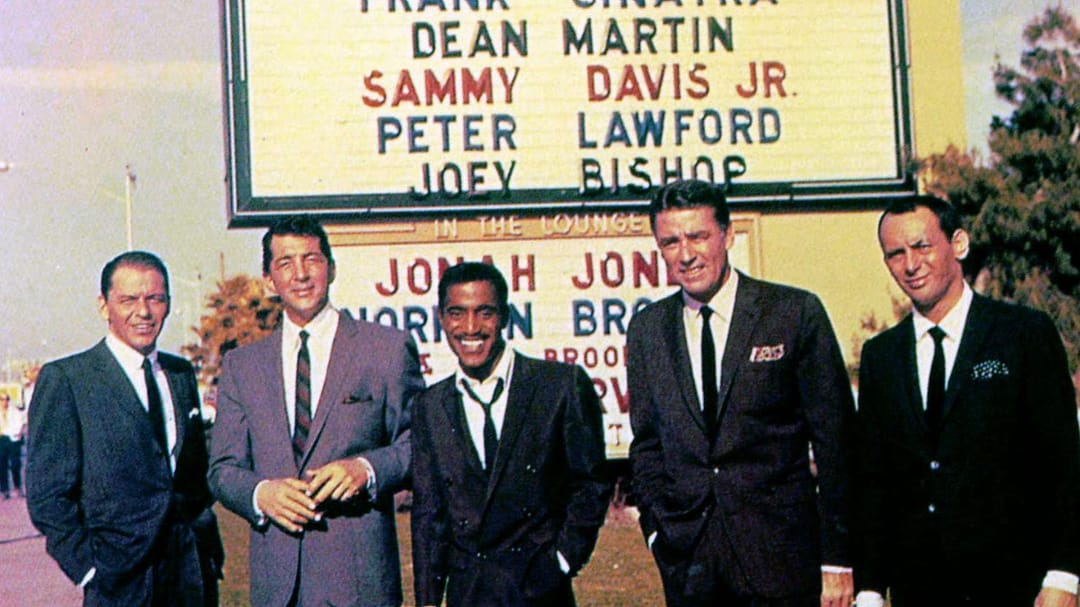
The Fairmont Mount Kenya Safari Club in Nanyuki, founded by actor William Holden after he fell in love with the land during a hunting safari, is still open and still magnificent. It sits on 120 acres in the foothills of Mount Kenya, straddling the equator, with 120 guest rooms and an animal orphanage next door. The Trophy Lounge is filled with photographs of famous past guests, including the Mogambo cast. Rooms from around $250 per night. The New Stanley Hotel in Nairobi, where the Mogambo crew stayed during filming, is also still operating and is a Nairobi landmark. Its famous Thorn Tree Cafe, where travellers have been pinning messages to a thorn tree since the 1950s, is still the place to start a Kenyan adventure. Rooms from around $100 per night. Check out the Ultimate Frank Sinatra Travel Guide for more on the Safari Club's Hollywood connections.
12. River of No Return (1954)
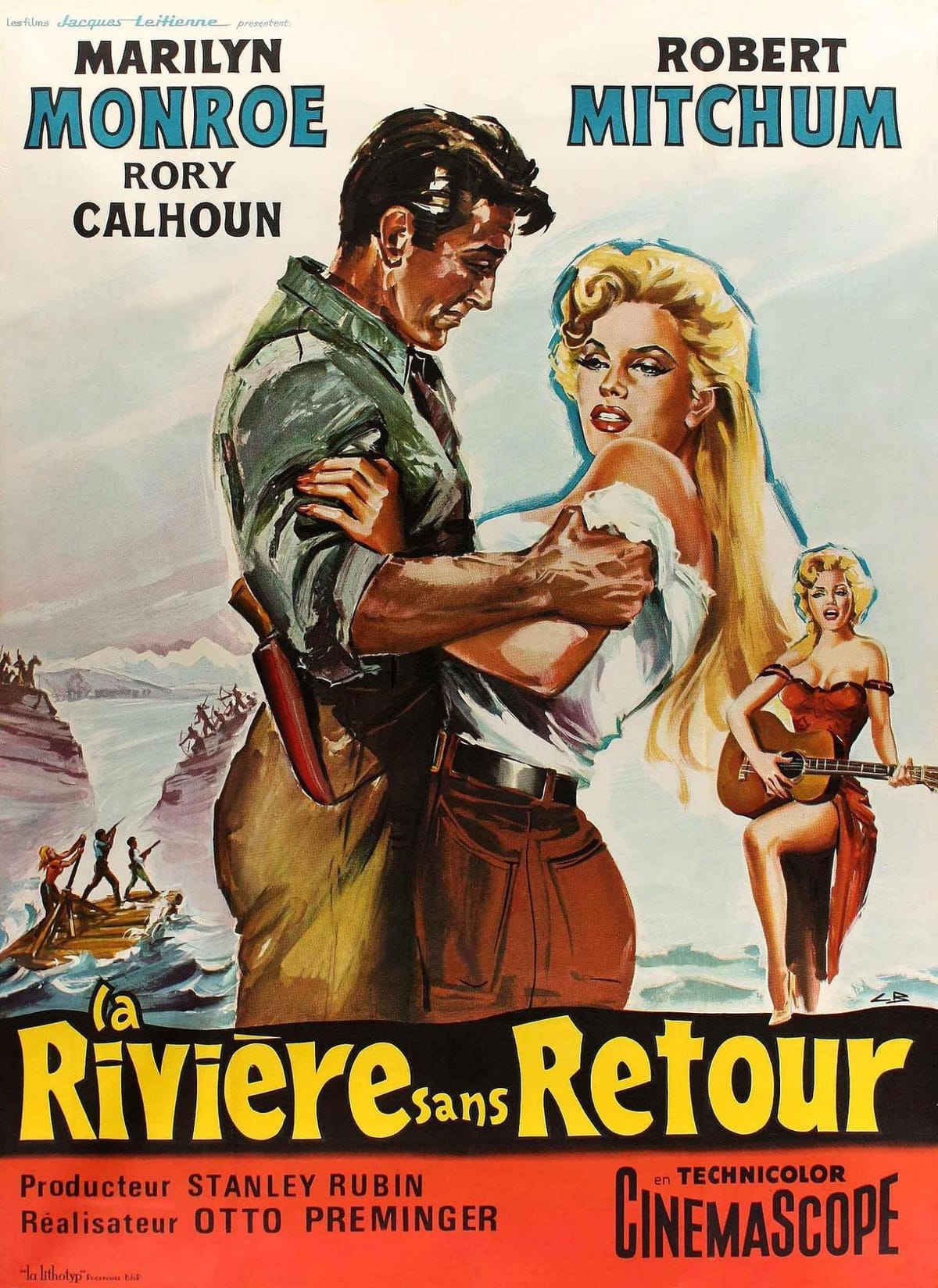
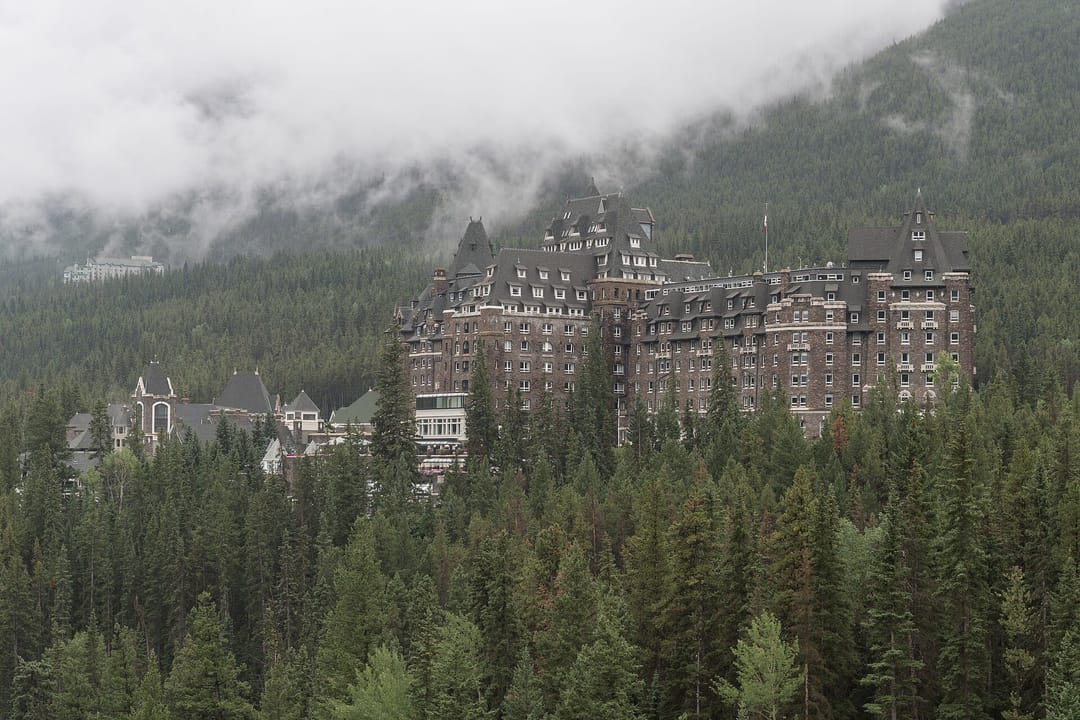
Monroe, Mitchum, and the lush landscapes of the Canadian Rockies, captured in CinemaScope, is the perfect mix of mid-century Americana. Marilyn and Bob embark on a death-defying voyage along the titular river in search of love, revenge, and gold. Scenes were filmed in Banff and Jasper National Parks and at Lake Louise in Alberta, Canada, as well as on the Salmon River in Idaho where the story actually takes place. During filming, the Banff Springs Hotel, a historic hotel that's still going strong today, was the cast and crew's accommodation of choice. The province's drinking laws meant that it was the only place for miles that had any booze, so Mitchum was seen propping up the hotel bar most nights. Monroe also spent time here with Joe DiMaggio while she recovered from a leg injury she sustained during filming. The film has some disturbing elements (the attempted assault by Mitchum's character, which Marilyn just brushes off, has not aged well) but Otto Preminger's first Western did produce some spectacular visuals, both of its glorious leading lady and of the exceptional north-western mountain and riverscapes her character inhabits.
Experience it in person
The Fairmont Banff Springs Hotel is one of the most iconic hotels in North America, a castle-like railway hotel set in the heart of Banff National Park. It looks virtually unchanged from Monroe and Mitchum's day, though the amenities have improved somewhat (there are now multiple restaurants, a world-class spa, a bowling alley, and a golf course consistently ranked among the top ten in Canada). Rooms from around CAD $400 per night, plus a resort experience fee of CAD $65. The Bow River, Lake Louise, and the surrounding mountain scenery that feature in the film are all within easy reach and remain some of the most spectacular landscapes in the world. The Salmon River in Idaho, where the actual river sequences were shot, offers guided rafting trips from around $100 per person if you fancy recreating Monroe's white-water experience with considerably better safety equipment.
13. Summertime (1955)
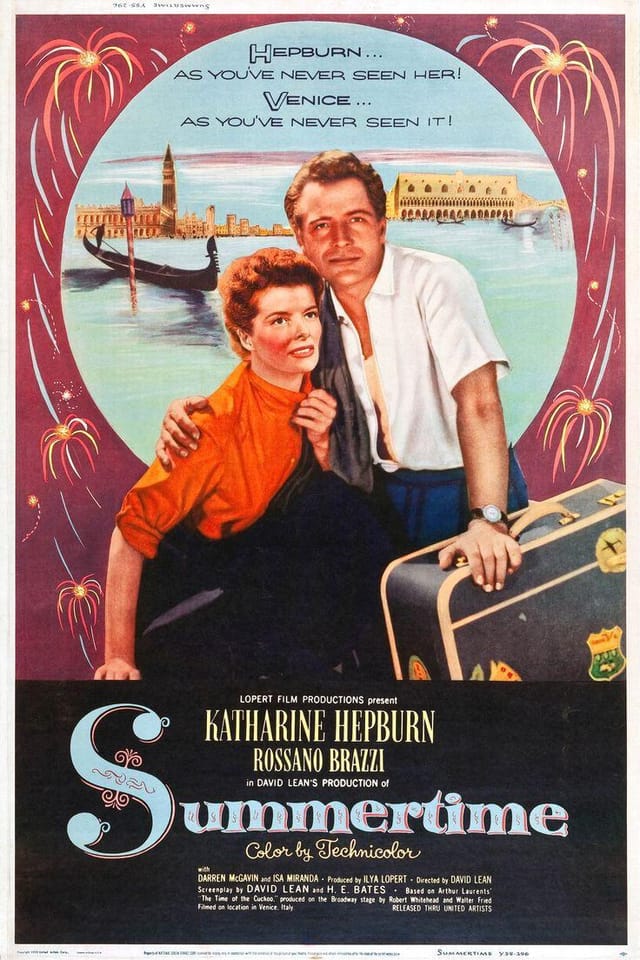
This is David Lean's favourite of all the many incredible films he directed. Katharine Hepburn plays an old maid who saves up for her dream trip to Venice, where she falls in love with Rossano Brazzi, and the city itself, of course. It is a 1950s Eat Pray Love, set 12 years before Julia Roberts was even born. The beautiful cinematography, captured by Oscar-winning Bridge on the River Kwai cinematographer Jack Hildyard, will make you feel like you have been to Venice, taking you to the colourful streets of Burano, Piazza San Marco, and across the Ponte Chiodo, among many other delightful highlights of the city. Lean also fell in love with Venice during filming and ended up buying a second home there that he enjoyed for the remainder of his life.
Experience it in person
Almost every Summertime location is still visitable and still recognisable. Campo San Barnaba, where Brazzi's antiques shop was located, still has a shop on the same spot, though it now sells toys rather than Murano glass goblets. The canal where Hepburn famously falls in while filming the shop is right there, and the temptation to re-enact the scene is real (resist it, the canal water has not improved since 1954). The Pensione Fiorini where Hepburn stays is now the Hotel Splendid on Rio dei Bareteri. The colourful island of Burano, where the couple spend their idyllic days together, is a 40-minute vaporetto ride from San Marco and remains one of the most photogenic places in the Venetian lagoon. Venice now charges a day-tripper entry fee on busy days (€5 per person), so check before you visit. For the complete Summertime walking tour, the website Reelstreets has mapped every filming location in extraordinary detail.
14. The Snows of Kilimanjaro (1952)
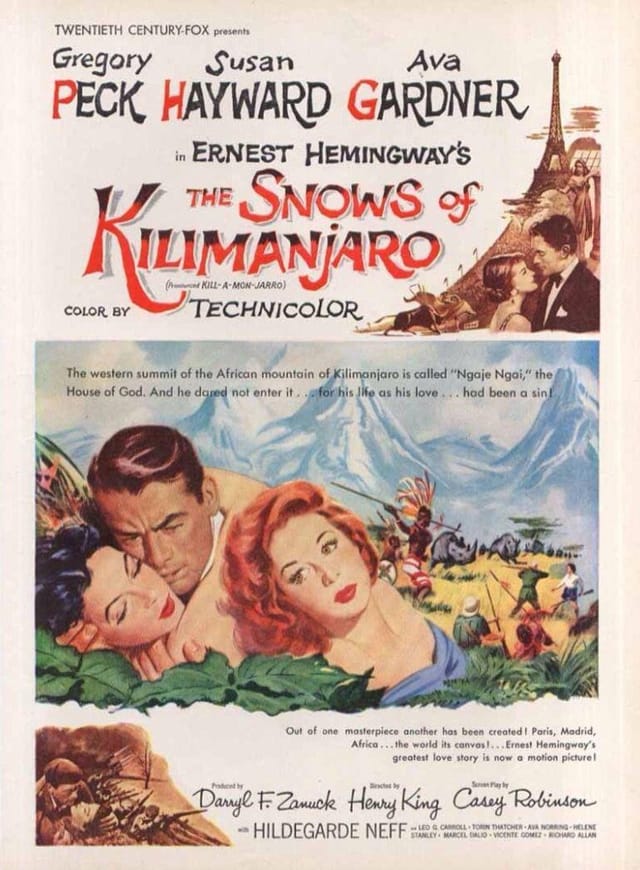
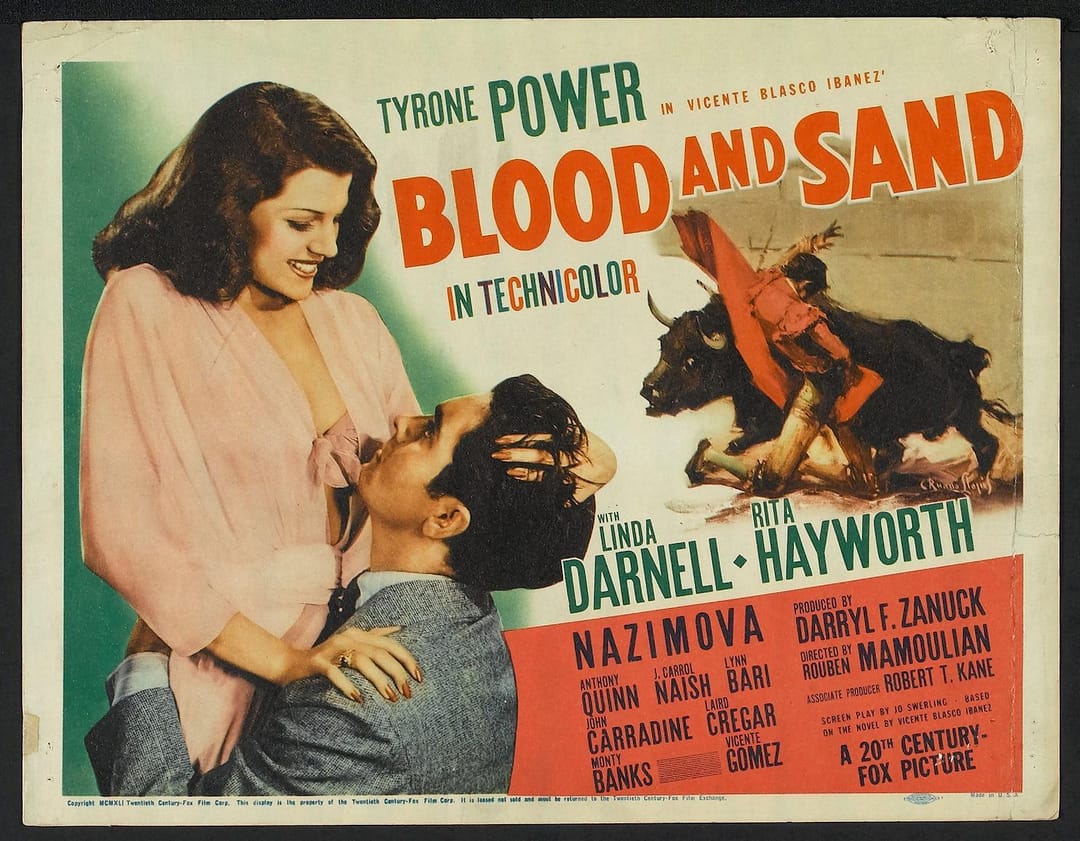
Adapted from the novel by Ernest Hemingway, one of the most talked-about travellers of the 20th century, The Snows of Kilimanjaro was one of the most successful films of the early 1950s, garnering praise from critics for its vivid, often nostalgic cinematography, used to perfection to show off the story's varied and lovely locales. Gregory Peck is our hero, who tells his life story to Susan Hayward as he lies dying at the bottom of Mount Kilimanjaro. His description of his time in Paris with his great love, played by Ava Gardner, is so wonderfully detailed it will make you wish you were there: "there are so many things that I've not written, which I'll never write now. I've written only of that first time in Paris, a Paris I loved..." Filming took place in Nairobi, Cairo, and the French Riviera. The producers were thrifty and borrowed the bullfighting scenes from archive footage taken from the 1941 classic Blood and Sand.
Experience it in person
Mount Kilimanjaro itself is, of course, the ultimate experience. Climbing it takes five to nine days depending on the route, with guided treks from around $2,000 per person. If that's a bit ambitious, the Amboseli National Park in Kenya offers spectacular views of the mountain from its game drives, with the snow-capped peak rising above the plains. For the Paris scenes, Hemingway's old haunts on the Left Bank are still very much open: Les Deux Magots and Cafe de Flore on the Boulevard Saint-Germain, where he wrote and drank in roughly equal measure, both serve coffee and overpriced croissants to literary tourists daily. Basically, if you follow Peck's character's footsteps, you'll end up on a very memorable holiday indeed.
15. The Quiet Man (1952)
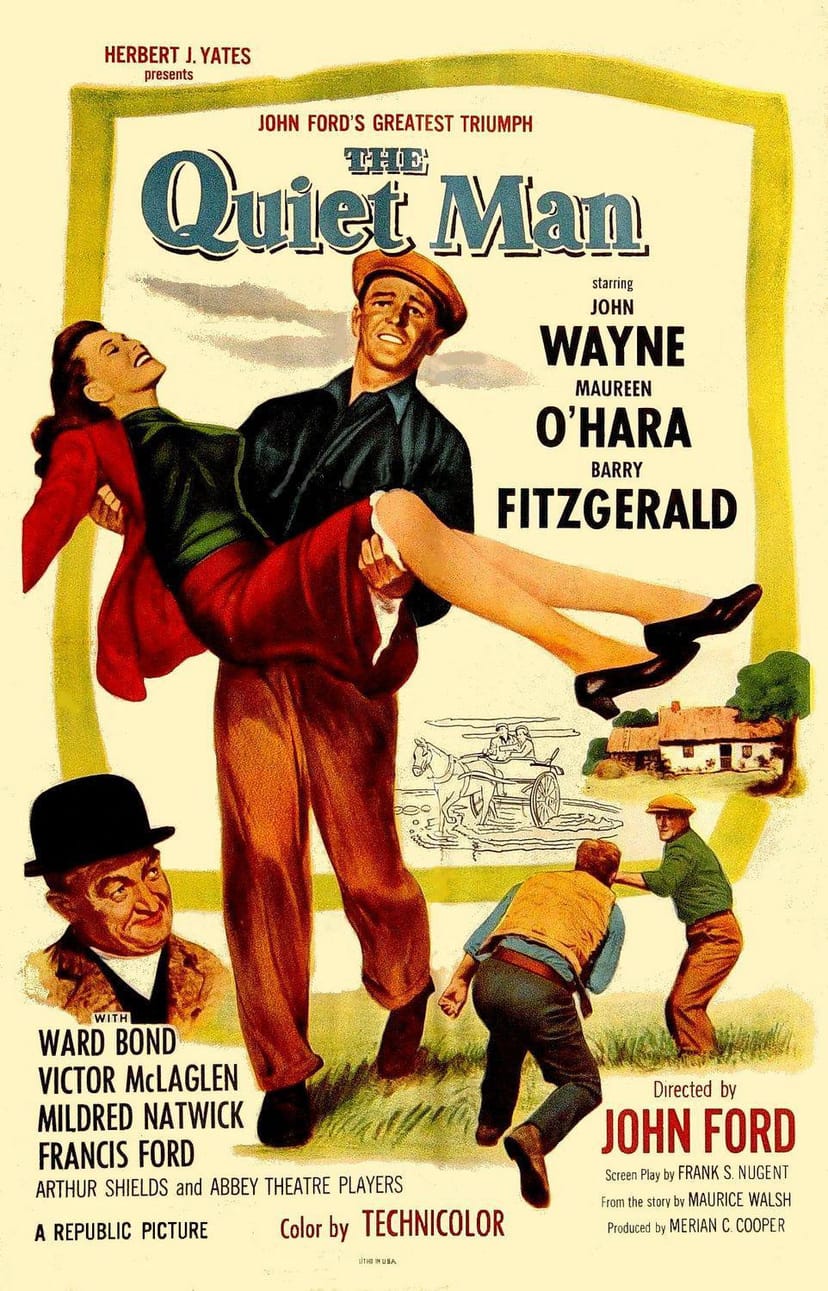
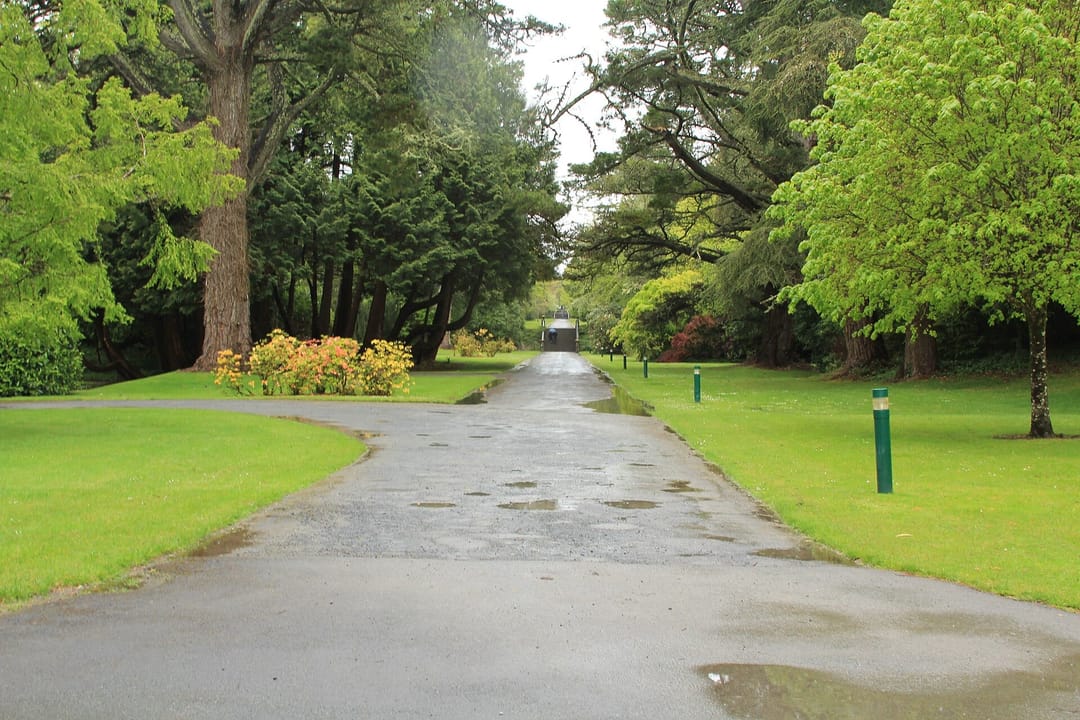
The lush Irish landscapes on show in John Ford's 1952 masterpiece, The Quiet Man, have been inspiring movie fans to visit the Emerald Isle for eight decades. Unsurprisingly, the movie picked up an Oscar for Best Colour Cinematography. The village of Cong in County Mayo and nearby Ashford Castle, where most of the film is set, have become a pilgrimage site for John Wayne fans. Cong is now an affluent town and the castle has been turned into a five-star luxury hotel. If you're in the neighbourhood, don't miss Pat Cohan's Pub, which doubled for the pub in the film. They offer traditional Irish dishes with a twist and lots of Quiet Man memorabilia to gaze at while you eat. Other filming locations included stunning Lettergesh Beach, where the horse race was shot, and Thoor Ballylee in County Galway, a fortified Norman tower house which has two claims to fame: it featured in the film and was also the home of poet W.B. Yeats for a short time.
Experience it in person
Ashford Castle is now one of Ireland's finest hotels, a vast 800-year-old estate on the shores of Lough Corrib with 83 rooms, falconry, archery, a cinema, and a George V dining room. It has won the World's Best Hotel award multiple times. Rooms from around €400 per night. The village of Cong itself is tiny and walkable, with Quiet Man locations signposted throughout. The Quiet Man Museum in the village has a replica of the cottage used in the film.
16. Beat the Devil (1953)
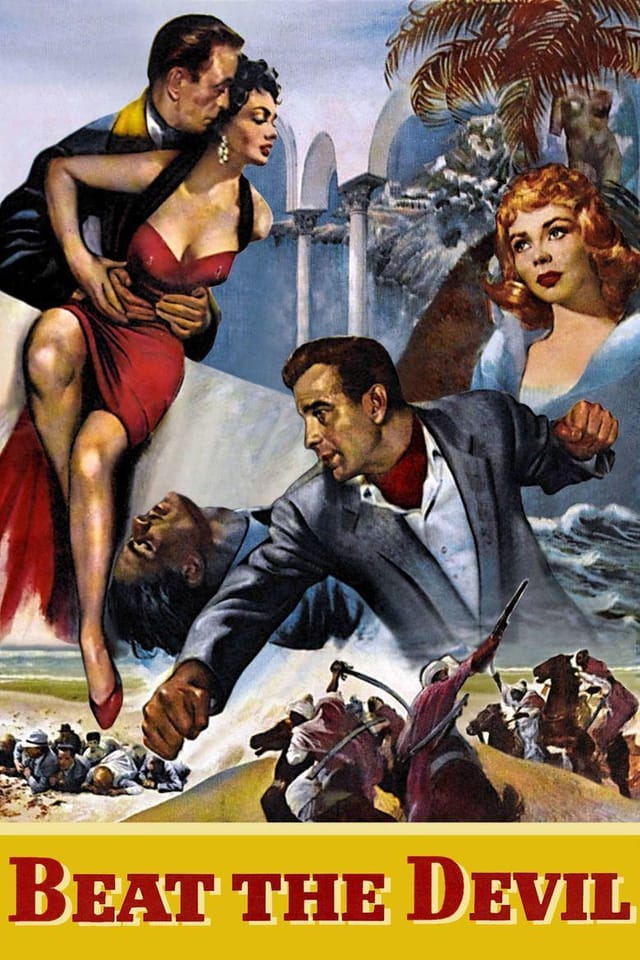
Filmed in dreamy Ravello on Italy's picturesque Amalfi Coast, Beat the Devil played upon the popularity of Italian movies at the time (the influx of American productions in Italy was nicknamed "Hollywood on the Tiber"). The film follows a motley crew of petty criminals, led by Humphrey Bogart, who are waiting around in Italy to catch a boat to Africa, where they plan to make their fortune by buying up uranium-rich land. Misunderstood upon release, Beat the Devil has since become a cult classic and is just as well known among fans for the crazy shenanigans going on behind the scenes. During production, Bogart lost teeth in a car accident, John Huston fell off a cliff, and Truman Capote lost most of his screenwriter's fee to endless rounds of poker with Bogie and Huston. Ravello's stunning central piazza, with its big white cathedral and the various cafes surrounding it, features prominently in the film. Some scenes were also shot in nearby Atrani, a tiny fishing village east of Amalfi that is still one of Italy's best-kept travel secrets. Bogie and company can also be seen hanging around the pool area of the Hotel Luna Convento, which is still open today.
Experience it in person
The Amalfi Coast is best visited in spring or autumn when the crowds thin and the prices drop. Ravello is reached by a hair-raising bus ride up from Amalfi (25 minutes, €1.30). Once there, don't miss Villa Cimbrone, whose Terrace of Infinity offers one of the most jaw-dropping panoramas in Italy (entry around €7). The Hotel Luna Convento, where Bogie's crew lounged by the pool, is a 12th-century convent converted into a hotel overlooking the sea, with cloisters and a Byzantine tower. Rooms from around €200 per night. Atrani is a five-minute walk from Amalfi and remains genuinely unspoiled, with a pocket-sized beach and none of the crowds.
17. Plein Soleil (1960)
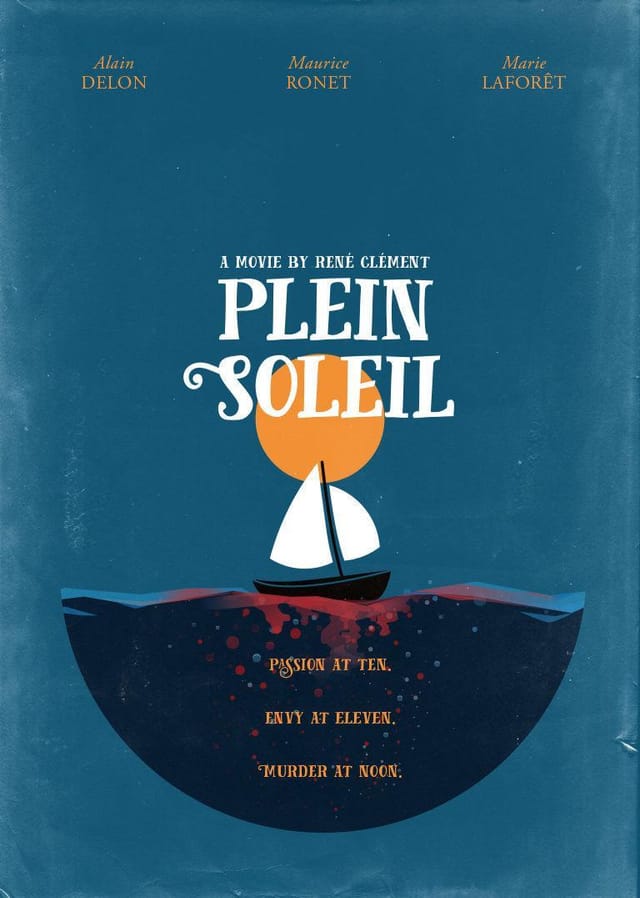
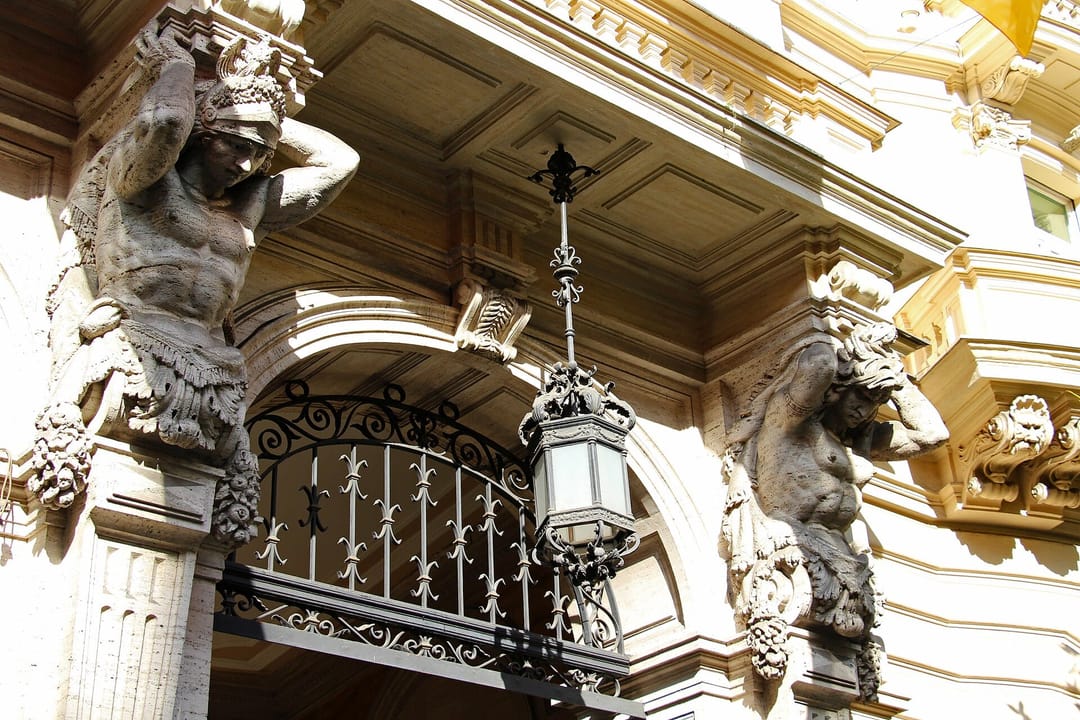
If you're looking for inspiration for a chic yacht holiday, look no further than Rene Clement's French classic, starring the broodingly handsome Alain Delon in his first leading man part. This was the first film adaptation of Patricia Highsmith's The Talented Mr. Ripley. Delon's Tom Ripley, a charismatic sociopath, mooches around the stunning landscapes of the Mediterranean as he plots to relieve his "best friend" of his money and his girl. The film is a stunning homage to the dazzling landscapes of Italy and was shot in Rome (Ripley stays at the luxurious Excelsior Hotel on the Via Veneto), Naples, Procida (a smaller island between Ischia and Naples), and Ischia.
Experience it in person
Procida is the star here. This tiny island, just a short ferry ride from Naples, was named Italian Capital of Culture in 2022 and remains far less touristy than neighbouring Capri or Ischia. Its pastel-coloured fishermen's houses tumbling down to the harbour at Marina Corricella look exactly as they did in the film. Ferries run from Naples (about 40 minutes, from around €15). The Westin Excelsior on the Via Veneto in Rome, where Ripley takes up residence, is still one of Rome's grand hotels. It was ground zero for the dolce vita era and its sidewalk cafe was once the most celebrity-spangled watering hole in the city. Rooms from around €300 per night. For a Ripley-appropriate yacht experience without the murder, several companies in Naples and Ischia offer day charters along the coast from around €500 per day.
18. The Barefoot Contessa (1954)
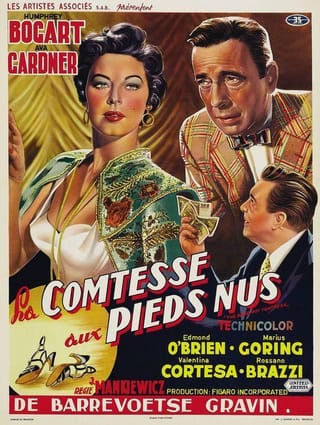
Humphrey Bogart is the disenchanted, ex-alcoholic director; Ava Gardner is the flamenco dancer he propels towards stardom, with tragic consequences. The Gardner character was an amalgamation of the experiences of Gardner herself (with Howard Hughes) and those of actresses Rita Hayworth (who had been pushed into stardom somewhat against her better judgement) and Judy Garland (whose trials and tribulations at the hands of a ruthless studio system and a long succession of disappointing men are well documented). While the script is a little heavy-handed, the cinematography is enchanting, as are the two leads. Although set mainly in Spain and on the Italian Riviera, the movie was filmed in Rome at the famous Cinecitta Studios, with location shoots in Rapallo, Portofino, San Remo, and the olive groves of Tivoli outside Rome.
Experience it in person
The nightclub scene where Bogart's director discovers Gardner's Maria dancing flamenco in Madrid is the film's most electric sequence. Corral de la Moreria, which opened in 1956 (the same decade as the film) and was frequented by Gary Cooper, Rita Hayworth, Picasso, and Dali, is the closest you'll get to that experience today. It now holds a Michelin star for its restaurant and was named by the New York Times as one of the 1,000 places to see before you die. Shows from around €45 including a drink. For the Italian Riviera scenes, the elegant seafront town of Rapallo, a short drive from Portofino, is less mobbed and more affordable than its famous neighbour, with a pretty promenade, a castle on the water, and hotels from around €80 per night. In Tivoli, the ancient olive groves that provided the backdrop for the film's most elegant sequence surround Hadrian's Villa and the Villa d'Este gardens (the Tivoli one, not the Lake Como hotel), both UNESCO World Heritage Sites and both open to visitors (entry around €10 each). And if you'd like to walk the same studio floors where the interiors were shot, Cinecitta Studios in Rome offers guided tours of Europe's most famous film lot, where Fellini, Visconti, and dozens of Hollywood productions worked. Tours from around €15.
19. Now Voyager (1942)
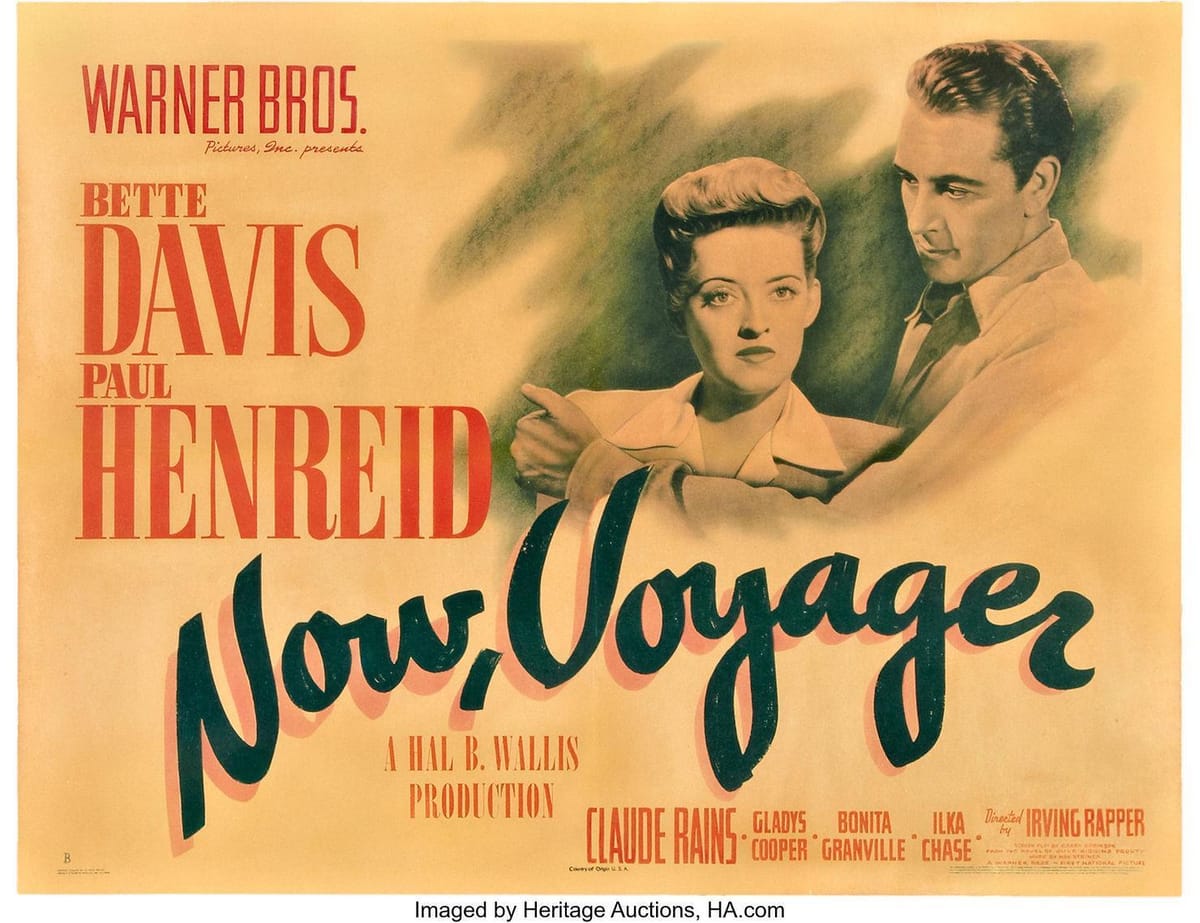
Bette Davis transforms from archetypal frumpish spinster to a well-travelled woman of the world in this epic weepy, asking Paul Henreid the immortal question, "Oh Jerry, why ask for the moon when we can have the stars?" It is perhaps the most beloved sob story of them all. The plot revolves around Charlotte Vale, played by Davis, a painfully shy single woman still living with her overbearing mother. Vale comes to life when her psychiatrist encourages her to go on a cruise, using travel as a way of unlocking her true self. Not only does she find herself (cue: classic movie makeover) but she also finds handsome Paul Henreid. Their erotically chaste love affair plays out in the brooding staterooms of their cruise ship and then later on the streets of Rio de Janeiro and nearby Sugarloaf Mountain. The novel on which the film was based was set in Europe, but as WWII was in full swing, the producers decided to relocate to South America instead. The title of the movie is taken from a Walt Whitman poem called "The Untold Want," which could (and should) be used as a mantra for travellers:
"The untold want by life and land ne'er granted, Now, voyager, sail thou forth, to seek and find."
Experience it in person
The Belmond Copacabana Palace in Rio de Janeiro is the hotel that best captures the film's spirit of glamorous self-reinvention. Opened in 1923 and still Rio's most famous hotel, it overlooks Copacabana Beach with an art deco pool, a Michelin-starred restaurant, and the kind of old-world grandeur the Boston-based Vale's would have adored. Rooms from around $300 per night. Sugarloaf Mountain, which features in the film's establishing shots, is reached by a two-stage cable car from Praia Vermelha (around $25 return) and the views across the bay are as spectacular as they were in 1942. If the film makes you want to book an actual cruise, transatlantic crossings from Europe to South America are available and remain one of the most romantic ways to travel.
20. La Dolce Vita (1960)
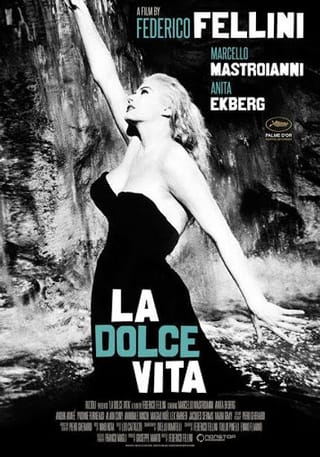
Half the world sat up and took notice when Fellini's vaguely trivial and exaggerated masterpiece hit cinemas. La Dolce Vita was only mildly received in Europe, but the Americans went mad for it, presumably on the grounds that, as they began to wake up to the joys of travel, this movie proved to them that old Europe was as decadent as they had always dreamed it could be. The audience follows Marcello Mastroianni's paparazzo photographer over seven nights and seven sunrises as he captures the lives of Rome's rich and famous on the streets of the vibrant Via Veneto. Anita Ekberg frolicking in the Trevi Fountain is part of the fabric of cinema, as is Nino Rota's glorious soundtrack, a perfect addition to your holiday playlist.
Experience it in person
The Via Veneto is still there, still grand, and still lined with the hotels where Hollywood decamped in the 1950s and 60s. The Westin Excelsior, where Ava Gardner and Frank Sinatra reportedly had blazing rows and where Fellini's Marcello escorts Ekberg's character home in the film, remains one of Rome's landmark hotels. Its Villa La Cupola suite, complete with private cinema and wine cellar, is one of the most expensive hotel suites in the world. Standard rooms from around €250 per night. The Trevi Fountain, where Ekberg waded in that famous white dress, now charges a €2 access fee (introduced in 2026), though you can still view it from the surrounding streets for free. Don't miss the nearby Doney Cafe on the Via Veneto, which was the original celebrity watering hole of the dolce vita era. Add Nino Rota's soundtrack to your phone before you go.
21. The Sun Also Rises (1957)
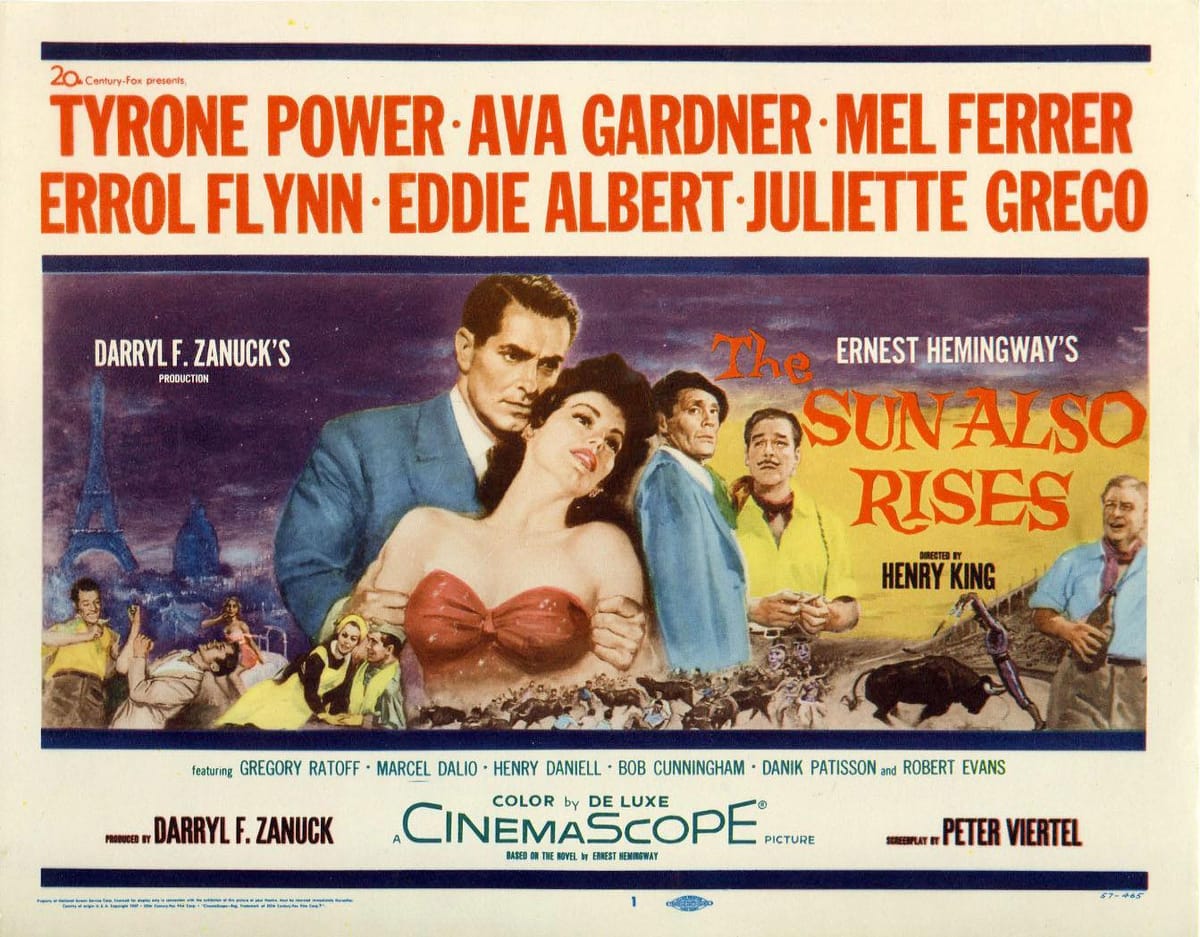
Another of Hemingway's novels that explored the lives of the lost generation of youth after the war. The title comes from the epigraph by Ecclesiastes: "the sun also ariseth, and the sun goeth down, and hasteth to the place where he arose." This epigraph expresses the idea that one generation fades into another, and the sun will continue to rise while each generation passes on. Ava Gardner, Tyrone Power, and Errol Flynn chew the scenery, and what spectacular scenery they have to chew on, as they filmed against the backdrops of Pamplona, Paris, Biarritz, and Mexico. The cinematography is striking. The film itself can be a little heavy-handed in places, as many of these big-budget epics tended to be in the 1950s, but it's worth watching to observe one of Errol Flynn's greatest acting performances (playing a drunk not too dissimilar to himself) and to enjoy the beautiful scenery and lovely locales on show.
Experience it in person
The San Fermin Festival in Pamplona (6-14 July annually), which Hemingway immortalised in the original novel, is one of the world's great bucket-list events. The running of the bulls takes place daily at 8am sharp along an 875-metre course through the old town, and even if you have no intention of running (sensible), the atmosphere is extraordinary. Book accommodation six to twelve months in advance as the city's population swells from 200,000 to over a million. Hotels from around €80 per night outside the festival, tripling during San Fermin. Hemingway's regular haunt, Cafe Iruna on the Plaza del Castillo, is still open and still has a life-sized bronze of the author propping up one end of the bar. In Paris, the Left Bank cafes where the novel's characters drink away their disillusionment are covered elsewhere in this list. Biarritz, the elegant Basque seaside town where several scenes were filmed, is a three-hour train ride from Paris or an hour from Pamplona, and remains one of the most stylish beach towns in Europe. Hotels from around €100 per night.
22. Three Coins in the Fountain (1954)
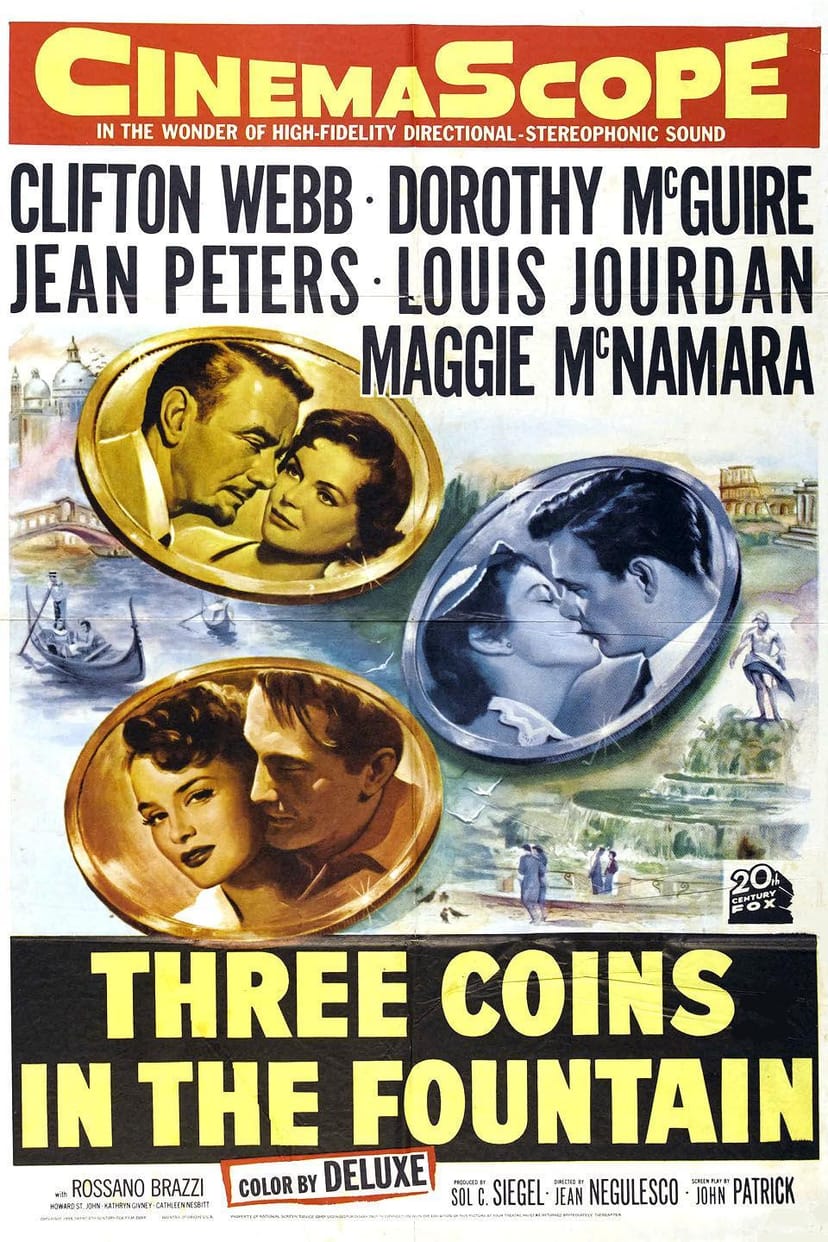
Frank Sinatra croons the set-up for this film in the Oscar-winning title song (which includes a stunning montage of Roman fountains): "three coins in the fountain, each one seeking happiness, thrown by three hopeful lovers, which one will the fountain bless?" This light-hearted rom-com follows three American women, played by Jean Peters, Maggie McNamara, and Dorothy McGuire, as they head to Rome to find work and love. It was a huge hit when it was released; the fashion and dialogue were considered the epitome of cool elegance at the time. The famous New York Times film critic Bosley Crowther praised the visuals, describing it as "a nice way to take the movie audience on a sightseeing tour of Rome, with a flying side trip to Venice, through the courtesy of CinemaScope."
Experience it in person
The film is essentially a 102-minute advertisement for Rome and Venice, and both cities are happy to oblige. The Trevi Fountain coin-tossing tradition (right hand, over the left shoulder, facing away from the fountain) predates the film but was popularised by it. Legend has it that one coin guarantees your return to Rome, two coins bring romance, and three bring marriage. Given that the fountain now collects around €3,000 per day in coins (all donated to charity), the system appears to be working. The Venice sequences were filmed around Piazza San Marco and the canals of the Dorsoduro district, both of which look virtually identical to their 1954 appearance. If the film's triple love story puts you in a romantic mood, Venice in autumn, when the summer crowds thin and the light turns golden over the lagoon, is hard to beat.
23. South Pacific (1958)
An intoxicating Rodgers and Hammerstein musical set in the Pacific during the Second World War, starring Mitzi Gaynor and Italian heartthrob of the moment Rossano Brazzi (he pops up in The Barefoot Contessa and Summertime too). Hanalei Bay on the Hawaiian island of Kauai served as one of the principal filming locations, while a second unit filmed aerial views of the Fijian Islands. Emil Kosa Jr., 20th Century Fox's art director for more than three decades, produced matte paintings of distant views of the magical island of Bali to be used as background for shots filmed in the studio. It's such a beautiful film, capturing the exotic beauty of a far-flung island. There is absolutely no doubt that it will have you gagging for a tropical holiday before the end credits start rolling.
Experience it in person
Hanalei Bay on Kauai's north shore is consistently ranked among the most beautiful beaches in the world, and it has barely changed since Gaynor sang "I'm Gonna Wash That Man Right Outa My Hair" here in 1957. The crescent-shaped bay is backed by emerald mountains and is ideal for swimming, surfing, and kayaking. The nearby Princeville Resort overlooks the bay and offers rooms from around $300 per night. Kauai is the quietest and least developed of Hawaii's main islands, which makes it the closest thing to the unspoiled paradise the film portrays. The Na Pali Coast, accessible by boat tour or the challenging Kalalau Trail, was not used in the film but looks exactly like the kind of place Rodgers and Hammerstein would have written a song about if they'd seen it. Boat tours from around $150 per person.
And that's it! If I have missed out your favourite classic movie that inspires you to travel, why not drop me an email and tell me why it should be included. Claire.webb84@live.co.uk
Destinations in this dispatch:
You Might Also Like
Hotel Diana
Copacabana Palace
Fairmont Mount Kenya Safari Club
Fairmont Banff Springs
Ashford Castle
The Westin Excelsior Rome
Ava Gardner
Cary Grant
Frank Sinatra
Becoming Carmen: Hollywood, Flamenco, and the Birth of Tourism in Spain